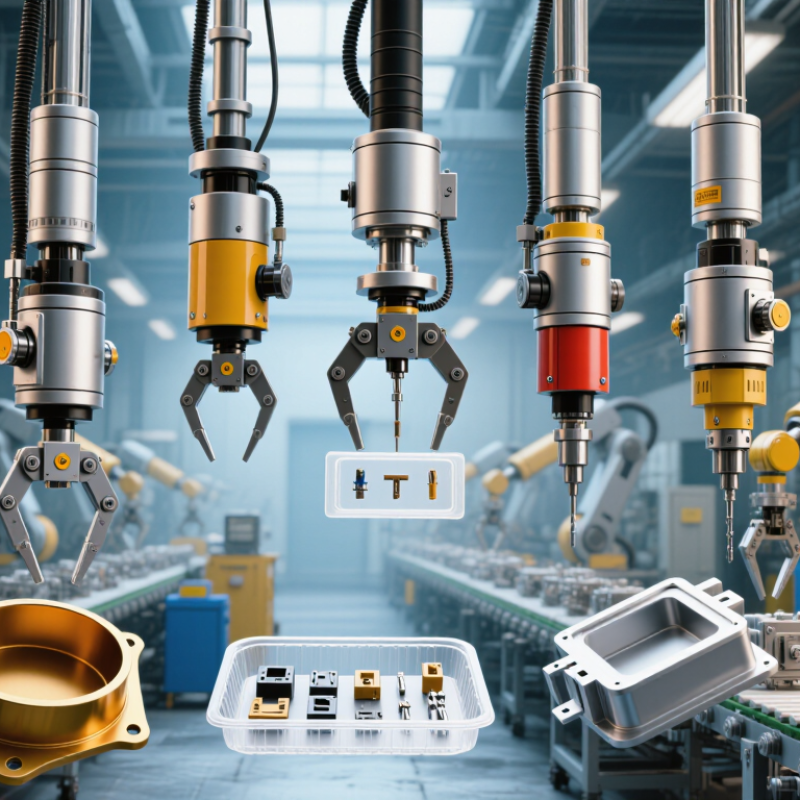
Choosing the best industrial gripper in 2026 requires more than checking maximum payload. In factory trials, a gripper lifting 8 kilograms may fail when acceleration, offset load, and emergency stops are added. Apply a safety margin of 20–30%, then verify force at the actual jaw position. The International Federation of Robotics reported 541,302 industrial robot installations worldwide in 2023. That scale makes dependable end-of-arm tooling a practical purchasing issue, not a minor accessory decision.
Cycle life needs evidence. Ask for tested cycles, jaw wear limits, seal replacement intervals, and performance after contamination. A specification sheet alone is weak evidence. During acceptance testing, record grip force, repeatability, and dropped-part events over several shifts. Energy use also deserves attention. The U.S. Department of Energy notes that compressed-air systems can represent 10–30% of industrial electricity use, while leakage can waste a significant share of output. Electric grippers may reduce air demand, but their standby consumption and maintenance costs still require measurement.
Compatibility affects hidden costs. Check robot payload, flange standards, control protocols, cable routing, guarding, and available spare parts before ordering. Total cost of ownership should include tooling, installation, air preparation, electricity, downtime, and technician hours. The cheapest unit may become expensive after one unplanned stoppage. I would still avoid promising a universal winner. Production dust, fragile surfaces, and irregular parts can overturn laboratory results. Test with real components, not clean samples.