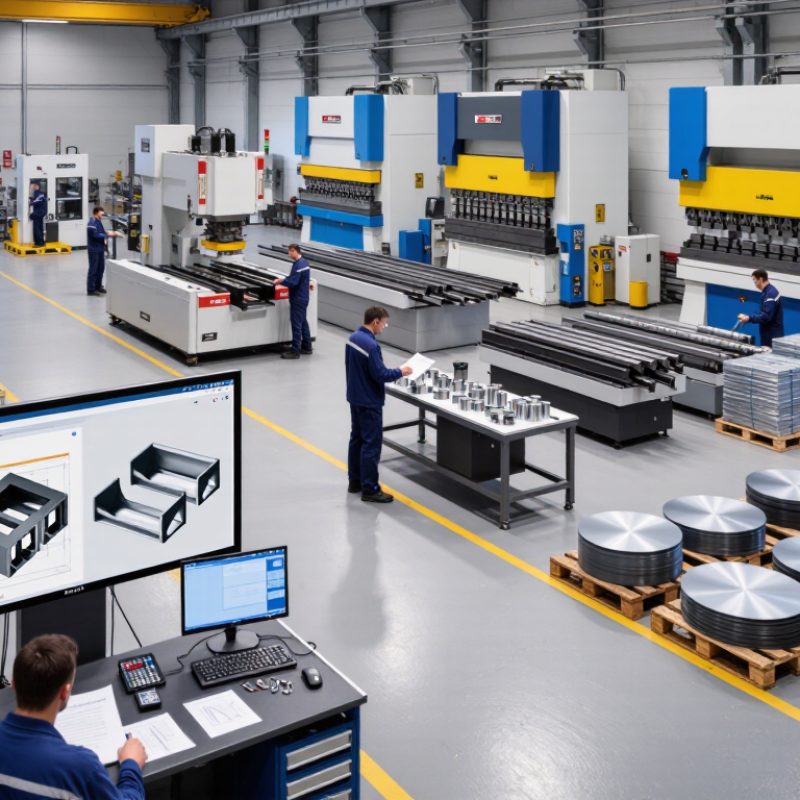
For global buyers, selecting a sheet metal parts supplier in 2026 requires more than a low quotation. Quality begins with process evidence: material certificates, calibrated gauges, first-article inspection reports, and traceable batch records. Ask how operators control burrs, bend angles, weld distortion, and surface damage. A polished sample can mislead. Review production parts, not only showroom pieces. Experience matters when a supplier explains likely failure points before production starts.
Compare pricing line by line. Separate tooling, programming, material, finishing, packaging, freight, and inspection fees. The cheapest offer may omit deburring or protective film. Request a costed sample order using the same alloy, thickness, tolerance, and finish as your real project. Lead time should include engineering review, approval, manufacturing, inspection, and shipping. Get dates in writing. Then ask what happens when a machine fails or material arrives late. Their answer often reveals operational maturity.
Certifications should match the application, not decorate a website. Verify certificate numbers, scope, issuing body, and expiration dates. For regulated or safety-critical parts, request documented change control and nonconformance procedures. Secure data handling also deserves attention during drawing exchange. I have seen buyers compare unit prices while ignoring packaging damage and rework risk. That mistake is expensive. Still, no checklist is perfect; supplier claims need independent checks, and even a strong audit can miss a rushed production shift. Build a small pilot order, measure results, and record what changed.