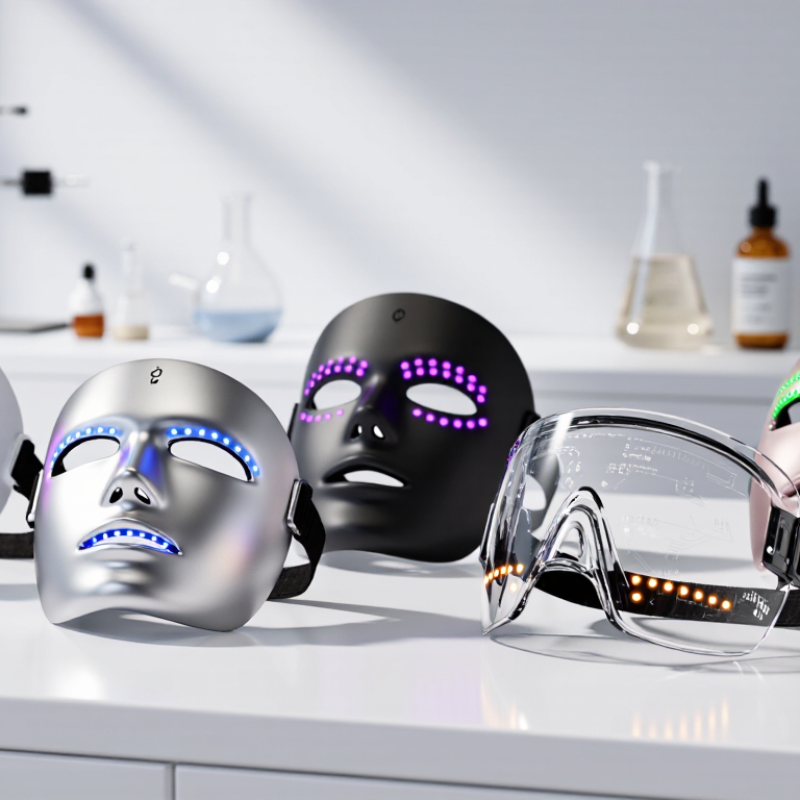
Global buyers need more than a polished product photo when comparing LED phototherapy masks. The five leading options usually include flexible silicone masks, rigid full-face masks, red-light devices, red-and near-infrared designs, and professional-style models. Each format serves a different purchasing priority. Flexible silicone improves facial contact. Rigid shells can feel more stable. Near-infrared light may reach deeper tissue, but marketing claims often exceed the available evidence.
Start with measurable specifications. Check the stated wavelengths, irradiance, treatment time, and LED coverage. A credible supplier should provide test reports, user instructions, eye-protection guidance, and clear safety warnings. Look for independent quality documentation rather than vague terms such as “medical grade.” Battery capacity matters during travel. Charging compatibility matters across regions. Confirm plug type, operating voltage, warranty length, spare parts, and return conditions before ordering.
Fit is easy to underestimate. A mask that presses against the nose may discourage regular use. A loose edge can leave uneven exposure. I would compare weight, strap adjustment, cleaning method, and heat around the eyes. Skin sensitivity also deserves attention; redness or discomfort should not be ignored. Results vary, and a longer session is not automatically better. Some purchasing decisions remain imperfect because irradiance measurements may use different testing methods. Buyers should request raw data where possible, then compare like with like.