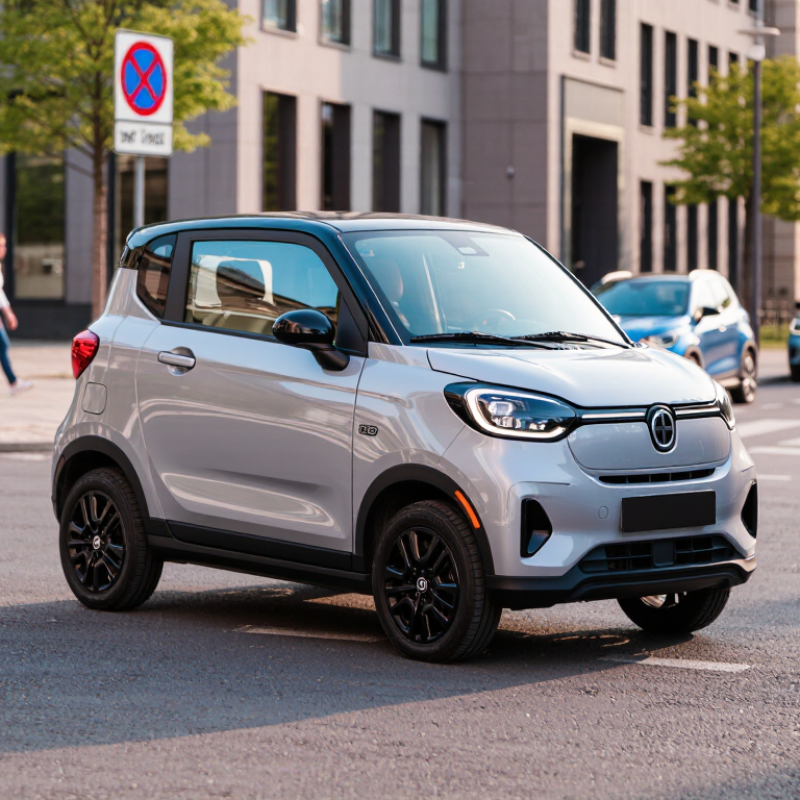
| 1. Confirm the Vehicle Category | Check that the vehicle is classified as an L6e light quadricycle and that its technical specifications match the category. | Certificate of Conformity (CoC), technical data sheet, and vehicle identification number (VIN) records. | Maximum design speed of 45 km/h; maximum continuous rated power generally not exceeding 6 kW; unladen mass not exceeding 425 kg for electric vehicles, excluding the traction battery. | The advertised speed, power, mass, or vehicle class differs between the sales listing, CoC, and physical vehicle. | Regulation (EU) No. 168/2013, including the L6e vehicle-category requirements. |
| 2. Validate the WVTA Type Approval | Make sure the vehicle has valid European Whole Vehicle Type-Approval coverage rather than only a local inspection or an isolated component approval. | The type-approval number and approval authority details shown on the CoC or approval documentation, together with matching vehicle type, variant, and version information. | Approval data is consistent with the VIN, production version, propulsion system, body configuration, and date of manufacture. | Missing approval number, altered documents, an approval for a different variant, or reliance only on a German roadworthiness inspection report. | EU vehicle type-approval framework under Regulation (EU) No. 168/2013 and its implementing acts. |
| 3. Match All Vehicle Documents | Compare the VIN and technical details across the CoC, German registration documents, purchase invoice, and the vehicle itself. | CoC; German registration certificate Part I and, where applicable, Part II; purchase invoice; service and inspection records. | VIN, manufacturer/type designation, fuel or battery type, permissible masses, power, seating capacity, and first-registration data agree across the records. | VIN mismatch, missing CoC, unexplained changes in ownership, incomplete registration papers, or handwritten alterations without official confirmation. | German vehicle registration documentation requirements and EU Certificate of Conformity provisions. |
| 4. Check Road-Legal Equipment and Condition | Inspect safety equipment and confirm that modifications have not invalidated the approval or operating authorization. | Physical inspection, lighting and tyre markings, braking-system condition, warning devices, mirrors, seat belts, and records of approved modifications. | Required equipment is fitted and functional; tyres, lamps, brakes, glazing, mirrors, and restraints correspond to the approved configuration. | Unauthorised speed modifications, non-approved lighting, worn tyres, damaged safety belts, warning lamps, structural damage, or missing equipment. | Regulation (EU) No. 168/2013, applicable UNECE requirements, and German road-traffic equipment rules. |
| 5. Confirm Registration, Insurance, and Driving Eligibility | Verify that the vehicle can be legally registered and insured for its intended use in Germany or the destination country. | Registration status, valid mandatory liability insurance, insurance confirmation where required, current inspection records, and the buyer’s applicable driving-licence entitlement. | The registration authority and insurer accept the vehicle category, documents, VIN, and intended use; the driver holds the licence required by the applicable jurisdiction. | No insurance confirmation, expired or missing inspection evidence, registration refusal, unclear import status, or assumption that a standard car licence is always sufficient. | German Road Traffic Act, Vehicle Registration Regulation, Compulsory Insurance Act, and applicable driving-licence rules. |