7 Best Aluminum Drawing Machines for Global Buyers
Choosing the right machine involves more than comparing purchase prices. For global buyers, an Aluminum Drawing Machine must match the alloy, inlet size, reduction schedule, and final wire diameter. A bright aluminum rod may enter the line, while smooth and consistent wire should leave it. That result depends on die quality, capstan control, lubrication, cooling, and operator access. Small mismatches can create scratches, ovality, or wire breaks. They also increase material waste.
This guide examines seven machines through practical purchasing criteria. It considers stable output, realistic workloads, maintenance access, and long-term support. Catalog speed alone is not enough. Buyers should request drawing force data, motor details, energy figures, spare-parts information, and commissioning records. Quoted capacity may apply only to one alloy and diameter. It may not. Supplier claims should be compared with factory videos, test samples, inspection reports, and references from similar plants. Some brochures sound precise, yet omit die-life assumptions or actual power consumption.
A reliable shortlist also considers voltage compatibility, operator training, safety systems, documentation, and service coverage. Local support may matter more than a slightly higher rated speed. The cheapest machine is not always economical. One unavailable seal can stop production and delay shipments. These recommendations balance productivity, wire quality, safety, and ownership cost. They are not a substitute for a witnessed trial. That caution matters. Conditions vary. Buyers should verify every technical figure, sample result, and delivery promise before signing a purchase order.
What Aluminum Drawing Machines Do in Modern Wire Manufacturing
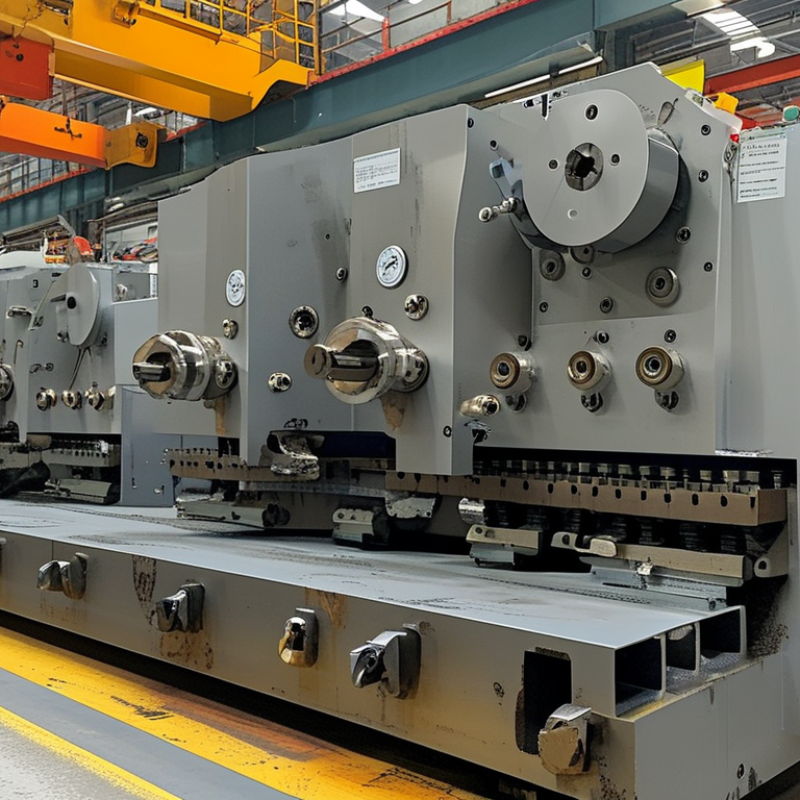
In modern wire manufacturing, aluminum drawing machines reduce rod diameter through controlled dies. They pull aluminum through progressively smaller openings. This improves dimensional accuracy for electrical, construction, and transport applications. A well-adjusted line controls tension, speed, lubrication, and cooling together. Small errors matter. Die misalignment can create scratches, oval sections, or uneven surfaces.
The best machines for global buyers often combine rigid frames, efficient motors, automatic tension control, and accessible maintenance points. Their capstans must handle aluminum’s softness without crushing or marking the wire. Operators monitor elongation, die temperature, current load, and finished diameter during production. Digital records help verify repeatability across shifts. Still, automation cannot replace practical judgment. Sensors can drift, and settings for one alloy may fail on another.
From factory experience, buyers should test each machine with their actual rod size, alloy, target diameter, and production speed. Ask for sample data, safety documentation, spare-part guidance, and operator training details. Energy use deserves attention because continuous drawing can raise operating costs. Maintenance access also affects real output, despite impressive speed claims. I have seen ambitious settings increase scrap instead of capacity. A slower, stable pass may produce better wire and fewer interruptions. Operators should review die wear, surface quality, and tensile results before approving routine production.
7 Best Aluminum Drawing Machines for Global Buyers
What Aluminum Drawing Machines Do in Modern Wire Manufacturing
Aluminum wire drawing machines reduce the diameter of aluminum rod through successive dies while increasing length and improving dimensional consistency. This chart uses a standard 9.5 mm aluminum rod as the starting diameter and shows the cumulative cross-sectional area reduction at seven commonly used drawing targets. Reduction percentages are calculated from the circular wire-area formula: A = πd²/4.
How Global Buyers Can Match a Machine to Production Goals and Budgets
Choosing among the seven best aluminum drawing machines requires more than comparing catalog prices. Global buyers should begin with production goals, not machine popularity. Define the incoming rod diameter, target wire size, daily output, and required surface quality. A line making electrical wire needs different controls than one producing precision components.
In plant assessments, I check die count, drawing speed, tension control, lubrication, and annealing stability. These details affect scrap, conductivity, and maintenance time. Ask for measured output data, not only advertised speed. A machine running at 1,200 meters per minute may be unsuitable if frequent stoppages reduce real production. Request sample trials using your aluminum grade and die schedule.
Budget planning should include installation, spare dies, energy use, operator training, shipping, and local service. The purchase price is only one part of ownership. A lower-cost machine can become expensive when replacement parts take weeks to arrive. Buyers should also verify electrical standards, guarding, documentation, and applicable safety requirements in the destination country.
My earlier cost estimates often missed downtime during commissioning. That mistake matters. Leave room for adjustments, testing, and operator learning. A modular machine may justify a higher initial cost when production volumes are expected to grow. However, extra capacity is wasteful when orders remain seasonal. Compare three-year operating costs, warranty conditions, service response times, and realistic payback periods before selecting the final configuration.