Best Practices for Shipping Lithium Ion Batteries Safely?
When it comes to shipping lithium ion batteries, safety is paramount. Expert James Parker, a leading figure in battery logistics, emphasizes, "Proper packaging and documentation can prevent disasters." The rise in demand for these batteries poses challenges. It's critical to follow best practices during shipping to minimize risks.
Lithium ion batteries can catch fire or explode if not handled correctly. This makes it essential to understand the guidelines thoroughly. Factors like temperature, packaging materials, and labeling are crucial. Many companies struggle with compliance, which can lead to costly mistakes.
The complexities of shipping lithium ion batteries require diligent effort. Companies must stay informed about the latest regulations. A small oversight can lead to serious consequences. Emphasizing safety in every aspect of the shipping process is not just necessary; it is a shared responsibility among all stakeholders.
Overview of Lithium Ion Battery Shipping Regulations
Shipping lithium-ion batteries requires strict adherence to regulations to ensure safety. These batteries pose a risk of fire or explosion if mishandled. The U.S. Department of Transportation and international organizations have established guidelines for their shipment. Proper labeling is crucial. Batteries must be marked with specific symbols. This increases awareness during transit.
Tips: Use fire-retardant materials for packaging. They can mitigate risks. Conducting a checklist before shipping helps ensure compliance. Double-check the weight limits set for transport. Lightweight batteries are often subjected to fewer restrictions. Proper documentation including specifications is essential. Failing to comply can lead to fines or shipment delays.
It’s important to reflect on past incidents. They teach us valuable lessons. Mislabeling or incorrect handling can have severe consequences. Regular training for personnel involved in shipping is necessary. We must keep improving our practices. Small mistakes can lead to significant hazards. Awareness and diligence are key to safe lithium-ion battery transportation.
Best Practices for Shipping Lithium Ion Batteries Safely
Understanding the Risks Associated with Lithium Ion Batteries
Lithium-ion batteries are common in many devices, but they come with risks. One major concern is overheating. When batteries get too hot, they can catch fire. This often happens if they are damaged or improperly handled. The internal components may short-circuit, leading to thermal runaway. It’s crucial to ensure that batteries are in good condition before shipping.
Another risk involves battery cells being punctured. A puncture can lead to dangerous chemical leaks. If a battery is defective or old, it may pose a higher risk of failure during shipping. Proper packaging is essential here. Use sturdy containers and cushioning materials to prevent movement. It’s equally important to label packages clearly. This ensures handlers know they are dealing with hazardous materials.
Human error plays a significant role in shipping accidents. Sometimes, packages are not handled with care. Training staff on the proper procedures is crucial yet often overlooked. Awareness can mitigate many of these risks. As we navigate the challenges of shipping lithium-ion batteries, constant vigilance is key. There is always more to learn and improve upon.
Packaging Requirements for Safe Transportation of Lithium Ion Batteries
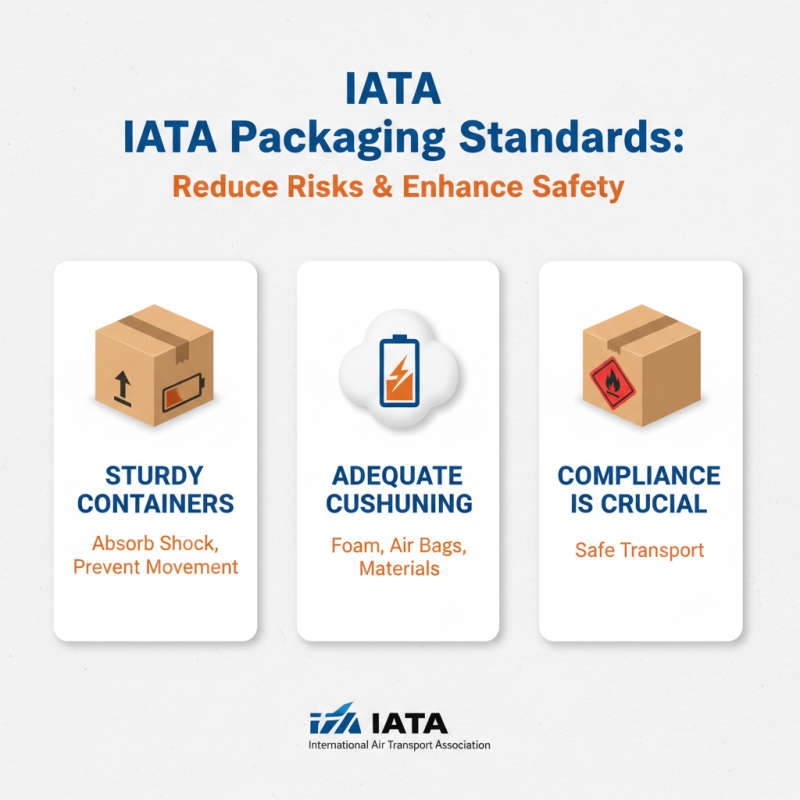
When shipping lithium-ion batteries, packaging is crucial. The International Air Transport Association (IATA) outlines specific packaging standards. These standards reduce risks and enhance safety during transport. Batteries must be packed in sturdy containers to absorb shock and prevent movement. They should be cushioned adequately using foam, air bags, or other materials.
The Institute of Electrical and Electronics Engineers (IEEE) suggests using fire-resistant materials for packaging. This minimizes the risk of fire during transportation. However, compliance issues arise frequently. Not all manufacturers understand the intricacies of proper packaging. In fact, failure to adhere to packaging requirements can lead to serious accidents.
Data shows that nearly 25% of lithium-ion battery incidents stem from improper packaging. Transporters must label packages correctly, highlighting the contents inside. Proper documentation and clear instructions can prevent confusion. Additionally, it’s essential to train personnel handling these shipments. While many companies strive for compliance, constant vigilance is necessary. Ignoring packaging details can have dire consequences.
Labeling and Marking Guidelines for Lithium Ion Batteries in Transit
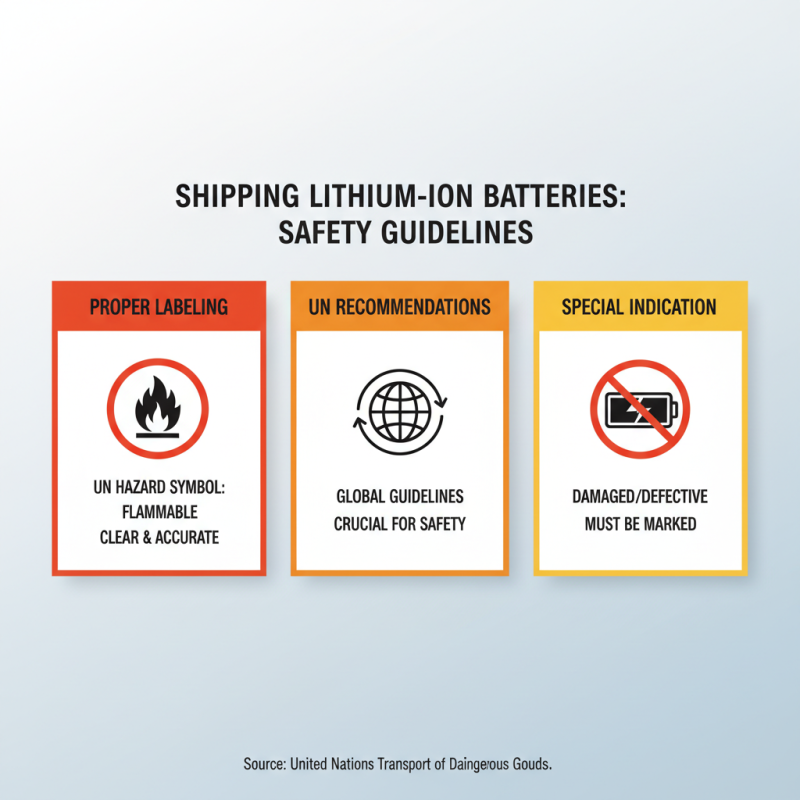
When shipping lithium-ion batteries, proper labeling and marking are crucial for safety. The United Nations' recommendations highlight specific guidelines. Each battery must display clear and accurate labeling. This includes the specific hazard symbol, which is a flame icon for flammable materials. Additionally, labeling should indicate whether the package contains damaged or defective batteries.
Tips: Use durable labels that can withstand handling. Visibility is key; ensure labels are large and bold.
Marking is equally important. Use the correct UN number, which for lithium batteries is UN3480 or UN3481. This identification aids emergency responders in understanding the contents of the shipment. Improper marking can lead to delays or worse, accidents.
Tips: Regularly check your stock of labels and marking materials. Neglecting this can cause serious shipping issues.
In every shipment, double-check each requirement. Sometimes, it’s easy to overlook a detail. Missing a label or marking can complicate the process significantly. Take time to review and ensure compliance.
Best Practices for Handling and Storing Lithium Ion Batteries During Shipping
Shipping lithium-ion batteries requires careful handling to ensure safety. Improper storage can lead to accidents. According to a report by the National Fire Protection Association, lithium-ion batteries are a leading cause of fires during transport. It’s essential to keep batteries in fire-resistant containers and store them in a well-ventilated area.
To enhance safety, always check battery charge levels before shipping. Ideally, they should be at a 30% charge state. This practice minimizes the risk of thermal runaway. Additionally, using protective packaging is crucial. Good padding prevents damage that could lead to short circuits.
Tip: Label all packages clearly. Ensure labeling meets regulatory standards. It promotes quick identification during transport. Lastly, avoid mixing different battery types within the same shipment. Incompatibility could pose serious risks. Shipping lithium-ion batteries can be safe if proper measures are taken. Understanding and applying best practices is vital for all handlers.