Best Shipping Options for Lifepo4 Batteries to China?
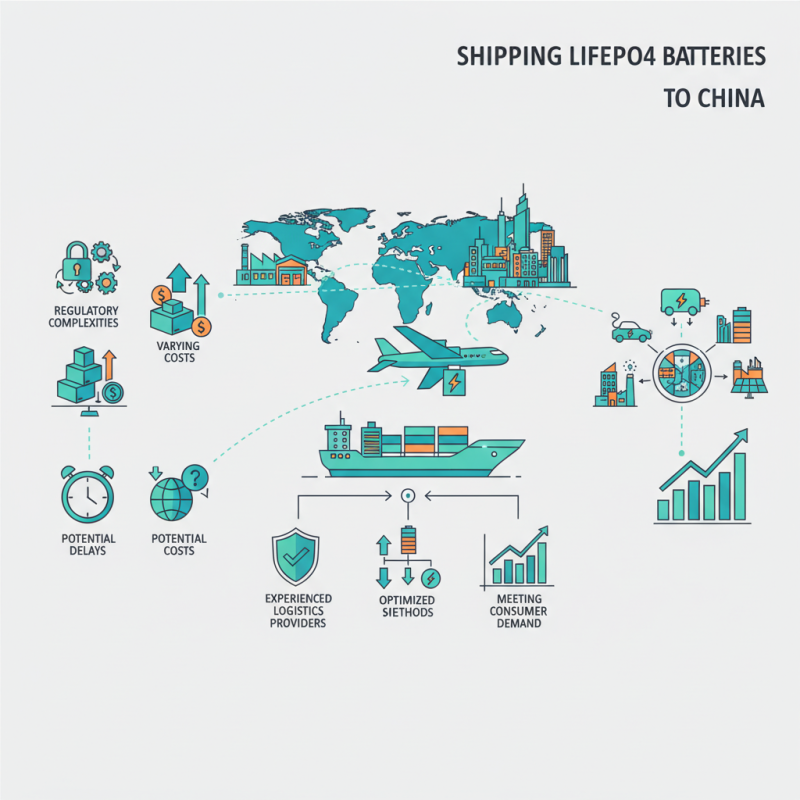
Shipping lifepo4 batteries to China presents unique challenges and opportunities. As the demand for lithium iron phosphate batteries grows, logistics providers must adapt. According to recent industry reports, the global lithium battery market is projected to reach $100 billion by 2025. This underscores the importance of optimized shipping methods to meet increasing consumer demand.
Challenges arise from regulatory complexities surrounding battery shipments. The International Air Transport Association (IATA) has specific guidelines for transporting lithium batteries. Adhering to these guidelines is crucial for safe shipping. Moreover, costs can vary significantly depending on the weight, shipping method, and destination city within China. Understanding these variables can enhance shipping strategies.
In this evolving market, choosing the right shipping partner is vital. Not all carriers are equipped to handle lifepo4 batteries. Opting for experienced logistics providers can mitigate risks. However, there are still uncertainties, such as fluctuating shipping rates and potential delays. Assessing the reliability of each shipping option is essential for a successful operation.
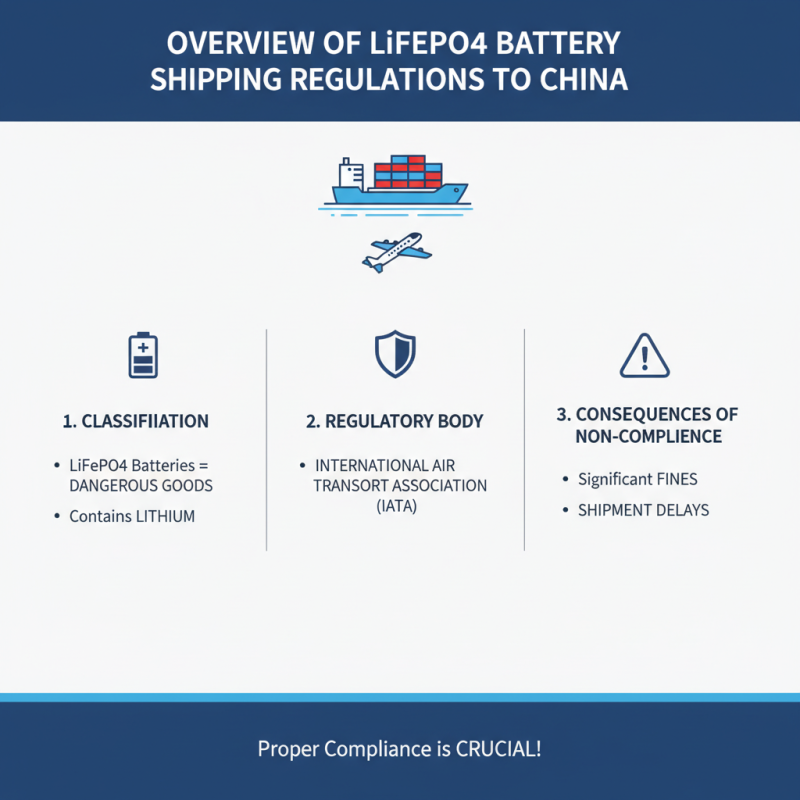
Overview of LiFePO4 Battery Shipping Regulations to China
Shipping LiFePO4 batteries to China involves navigating complex regulations. The International Air Transport Association (IATA) classifies these batteries as dangerous goods due to their lithium content. Proper classification is crucial. Non-compliance can lead to significant fines or shipment delays.
The China Civil Aviation Administration (CAAC) sets strict guidelines for importing lithium batteries. These require that the batteries be under certain watt-hour limits. For instance, batteries exceeding 100 watt-hours are typically prohibited from air transport. Ensuring adherence to these limits is vital for shippers. In 2020, it was reported that over 30% of lithium battery shipments faced compliance issues at customs.
Documentation is also essential. Shippers must provide appropriate labeling and safety data sheets. Lack of this documentation can result in confiscation or fines. The shipping process requires thorough knowledge of both international and local regulations. Mistakes in labeling can lead to unexpected challenges and delays. Thus, understanding these regulations is paramount for successful shipping to China.
Choosing the Right Shipping Method for LiFePO4 Batteries
When shipping LiFePO4 batteries to China, choosing the right method is crucial. Due to strict regulations, options can be limited. Air freight is faster but typically more expensive. Sea freight is cheaper, yet it requires longer transit times. According to industry reports, air freight can cost up to three times more than sea freight.
It's essential to understand packaging requirements. Proper packaging minimizes the risk of damage and ensures compliance with regulations. Lithium batteries must be shipped in special containers. Mishandling can lead to delays. Reports indicate that 20% of international shipments face issues due to improper packaging.
Tips: Always verify shipping regulations before choosing a method. Work with industry experts to navigate complex rules. Consider the urgency of delivery and budget constraints. Additionally, track shipments closely to handle any problems promptly. Keep in mind that not every method suits all needs. Review your options carefully and learn from previous shipping experiences.
Understanding Packaging Requirements for Safe Transport
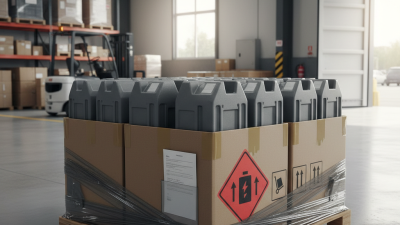
When shipping Lifepo4 batteries to China, understanding packaging requirements is crucial. These batteries are classified as hazardous materials. Thus, they must comply with specific international shipping regulations. According to the United Nations’ Model Regulations, packaging must prevent short circuits and damage during transit. This includes using flame-retardant materials and ensuring the terminals are insulated.
In 2022, the International Air Transport Association reported that improper packaging for lithium batteries led to over 300 incidents. Such statistics emphasize the need for thorough compliance with guidelines. Each package should also include proper labeling. This informs handlers of the contents and potential risks. Correct documentation is vital because many carriers enforce strict guidelines for hazardous goods.
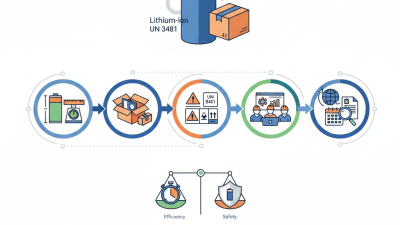
Common mistakes often occur in choosing inadequate packaging. Some shippers underestimate the importance of tests like UN 38.3. This test ensures that the batteries can withstand long-distance transportation conditions. Observing these detailed requirements not only enhances safety but also streamlines the shipping process. It may seem tedious, but every step taken can prevent costly incidents.
Best Shipping Options for Lifepo4 Batteries to China
Costs and Timeframes for Shipping LiFePO4 Batteries to China
Shipping lithium iron phosphate (LiFePO4) batteries to China requires careful planning. Costs can vary widely based on shipping method, weight, and distance. Air freight, while faster, often proves to be costly. Shipping by sea is more economical but takes longer. Understanding these options helps in budgeting accurately.
Timeframes differ significantly between air and sea shipping. Air freight can deliver in as little as 5 to 10 days. Conversely, sea shipping may take up to 30 days or more. These longer timeframes can be frustrating for urgent projects. It's essential to weigh speed against costs when selecting a shipping method. The choice needs careful thought to avoid unnecessary delays or expenses.
Regulations surrounding battery shipments can complicate the process. Misunderstanding these rules may result in fines or shipment delays. Working with a knowledgeable freight forwarder can help navigate these complexities. Ensuring compliance can make a significant difference in shipping success to China.
Customs Clearance Procedures for LiFePO4 Batteries in China
Shipping LiFePO4 batteries to China involves navigating complex customs clearance procedures. Understanding the regulations is vital for seamless logistics. Without proper documentation, shipments may face delays or additional costs. Always ensure you have accurate information on battery specifications and compliance with Chinese regulations.
In China, the customs authorities require detailed information about the contents of each shipment. You must provide a clear description of the LiFePO4 batteries, including their capacity and weight. Incorrect declarations can lead to penalties. Labeling should be precise and meet local standards to avoid complications at the border.
Moreover, preparing the necessary permits is crucial. Some battery types may require special import licenses. Collaborating with a freight forwarder familiar with these procedures can enhance your shipping experience. Delays often happen; thus, staying informed about the latest regulations is essential. Regular checks can prevent misunderstandings, ensuring your cargo reaches its destination smoothly.