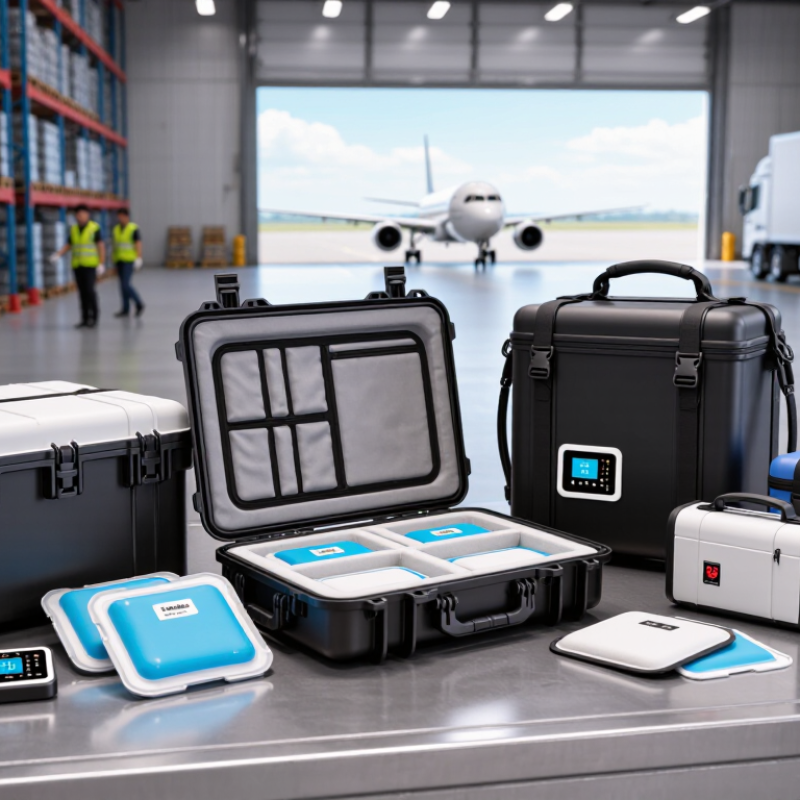
| Routine Refrigerated Vaccine Carrier | +2°C to +8°C | Short-distance transport of routine refrigerated vaccines, diluents, and temperature-sensitive biological products. | Approximately 5–25 L of usable internal space | Approximately 12–48 hours, depending on ambient conditions and qualification results | Insulated outer shell with conditioned water-based cold packs or phase-change packs. | Digital temperature logger with a visible display; use a device suitable for the shipment duration. | Condition cold packs before loading. Use cardboard or foam barriers so products do not touch frozen packs directly. | Keep the lid closed, minimize opening, protect from direct sunlight, and transfer promptly at arrival. | Qualified hold time, internal capacity, pack arrangement, durability, ease of cleaning, and field portability. |
| Long-Duration Refrigerated Passive Shipper | +2°C to +8°C | Global air freight, customs delays, regional distribution, and shipments requiring extended passive protection. | Approximately 10–80 L of usable internal space | Approximately 48–120 hours, subject to seasonal and route-specific qualification | Vacuum-insulated panels, high-performance foam, or multilayer insulation combined with phase-change materials. | Electronic temperature data logger with time-stamped readings; alarm capability is preferred for high-value shipments. | Precondition phase-change materials according to the validated packing instruction. Separate coolant packs from cartons with insulating spacers. | Use shock-resistant outer packaging, maintain chain-of-custody records, and inspect the temperature indicator before acceptance. | Validated duration at expected summer and winter profiles, volumetric efficiency, reusability, and airline compatibility. |
| Soft-Sided Insulated Vaccine Bag | +2°C to +8°C | Last-mile delivery, mobile immunization sessions, clinics, outreach programs, and local transfers. | Approximately 3–15 L of usable internal space | Approximately 8–36 hours, depending on pack configuration and ambient temperature | Flexible polyurethane, polyethylene, or multilayer reflective insulation with removable coolant packs. | Compact digital thermometer or electronic data logger placed near the product load. | Load products centrally, use internal dividers, and leave sufficient space for uniform air circulation. | Carry upright, avoid compression of the insulated walls, keep the bag closed between deliveries, and clean between uses. | Low weight, ergonomic design, leak-resistant pack compartments, internal organization, and ease of disinfection. |
| Phase-Change Material Shipping Bag | +2°C to +8°C | Temperature-sensitive vaccines that require tighter control than conventional ice-pack systems can provide. | Approximately 5–40 L of usable internal space | Approximately 24–96 hours, depending on PCM quantity, insulation, and ambient profile | Phase-change materials engineered to transition near the required refrigerated range. | Continuous electronic logger with minimum and maximum temperature recording. | Condition PCM packs at the specified temperature and time. Follow the validated loading pattern without substituting ordinary frozen packs. | Do not mix different coolant types unless the packing procedure specifically permits it. Keep the shipper sealed during delays. | PCM transition temperature, conditioning time, hold-time validation, pack replacement cycle, and shipping weight. |
| Freeze-Sensitive Product Shipper | Usually +2°C to +8°C; avoid freezing | Vaccines and biological products that may lose potency after exposure to sub-zero temperatures. | Approximately 5–50 L of usable internal space | Approximately 24–72 hours, based on the validated design | Insulation with conditioned cool packs, thermal barriers, and controlled separation between coolant and product. | Electronic logger capable of identifying excursions below the minimum limit, ideally with an alarm function. | Never place vials directly against frozen packs. Use separators and verify that packs are conditioned as instructed. | Check for frozen indicators, crystallization, or damaged packaging at receipt. Quarantine suspected temperature-excursion stock. | Protection against freezing, validated minimum temperature, internal barriers, and clear pack-out instructions. |
| Controlled Ambient Vaccine Shipper | Commonly +15°C to +25°C | Products authorized for controlled room-temperature transport or shipments that must avoid both refrigeration and excessive heat. | Approximately 5–60 L of usable internal space | Approximately 24–96 hours, depending on insulation and external temperature | Insulated packaging with ambient-range phase-change materials or thermal buffering components. | Electronic logger configured for the product-specific upper and lower limits. | Precondition thermal buffers according to the approved procedure and avoid loading products while the pack temperature is outside range. | Keep away from heaters, refrigerated docks, vehicle trunks exposed to sunlight, and unconditioned airport storage areas. | Temperature stability, protection from heat and cold, seasonal performance, and compatibility with the product label. |
| Frozen Vaccine Shipper | Commonly −25°C to −15°C | Vaccines and biological products labeled for frozen storage and transport. | Approximately 5–40 L of usable internal space | Approximately 24–96 hours, depending on refrigerant mass and insulation | High-performance insulation with frozen phase-change packs or another validated low-temperature refrigerant. | Electronic logger rated for the required low-temperature range and capable of recording the full transit period. | Use the specified frozen refrigerant quantity and maintain separation between products and any refrigerant that could cause excessive cooling. | Limit exposure during loading and unloading. Verify the shipper remains closed during customs, security, and warehouse transfers. | Low-temperature capability, hold time, refrigerant availability at destination, weight, and documented qualification data. |
| Dry-Ice Ultra-Cold Shipper | Commonly −90°C to −60°C | Ultra-cold vaccine or biological-product shipments requiring dry ice or an equivalent validated cooling method. | Approximately 1–30 L of usable internal space | Typically 24–120 hours, depending on dry-ice mass, insulation, and replenishment plan | Dry ice in a vapor-tight, insulated container designed for low-temperature transport; the package must allow carbon dioxide ventilation. | Low-temperature electronic logger positioned within the product payload, with an excursion alarm where practical. | Use certified dry-ice packaging, provide adequate ventilation, label the package correctly, and calculate dry-ice replenishment needs. | Never place dry ice in an airtight container or passenger cabin. Follow air-carrier limits and occupational safety procedures. | Dry-ice autonomy, dangerous-goods compliance, venting design, logger performance, and availability of replenishment at transfer points. |
| Reusable Rigid Insulated Container | Product-specific; commonly +2°C to +8°C | High-volume distribution between manufacturers, central stores, airports, hospitals, and regional warehouses. | Approximately 20–200 L of usable internal space | Approximately 48–168 hours, depending on the validated configuration | Rigid insulated panels with replaceable PCM or water-based coolant modules. | Multiple electronic loggers may be needed for larger payloads; place sensors at potential warm and cold spots. | Use approved internal trays, maintain airflow or spacing as designed, and do not exceed the validated payload arrangement. | Secure the lid and reusable components, inspect seals before every trip, and document cleaning and return logistics. | Large capacity, repeated-use cost, repairability, cleaning process, stackability, and performance across climate zones. |
| Qualified Parcel-Size Vaccine Shipper | Usually +2°C to +8°C | Small international parcels, clinical-trial supplies, emergency replenishment, and direct-to-facility shipments. | Approximately 1–10 L of usable internal space | Approximately 24–72 hours | Foam or vacuum-insulated insert with coolant packs or PCM modules inside a protective outer carton. | Single-use or reusable electronic temperature logger with a downloadable report. | Use a validated insert, stabilize vials against movement, and include handling instructions and emergency contact details. | Use tracked service, avoid weekend delivery where possible, and arrange immediate refrigerated storage after receipt. | Dimensional-weight efficiency, impact resistance, delivery predictability, data retrieval, and ease of disposal or recycling. |