China Best UN3091 Lithium Metal Batteries Supplier?
Choosing the China Best UN3091 Lithium Metal Batteries Supplier? requires more than comparing factory prices. UN3091 lithium metal batteries combine lithium cells with equipment, creating specific packaging, labeling, documentation, and transport requirements. A capable supplier should understand these details before production begins. It should also provide traceable test reports, cell specifications, safety data, and consistent quality records.
Professor Jeff Dahn, a respected lithium-ion battery researcher, has emphasized a practical principle: “A battery is a system, not just a cell.” That idea matters here. A reliable supplier should control the complete process, from cell selection and circuit protection to packaging inspection and shipment preparation. Ask how the factory handles damaged cells, capacity variation, temperature testing, and production changes. Clear answers reveal experience.
Look closely.
A professional manufacturer should explain whether its products meet applicable UN transportation testing requirements and destination-market rules. It should not promise universal compliance without reviewing the shipment route, equipment type, battery configuration, and packaging method. That is where many purchasing decisions become uncertain. I have seen supplier comparisons focus heavily on unit cost while overlooking documentation accuracy and batch consistency. That approach may look efficient, but it can create delays, rejected shipments, or unnecessary safety concerns.
This guide examines how to evaluate China-based suppliers of UN3091 lithium metal batteries. It considers technical capability, quality assurance, communication, customization, and export experience. The best supplier is not always the cheapest one. Sometimes, a slower and more transparent factory is the safer commercial choice.
What Are UN3091 Lithium Metal Batteries?
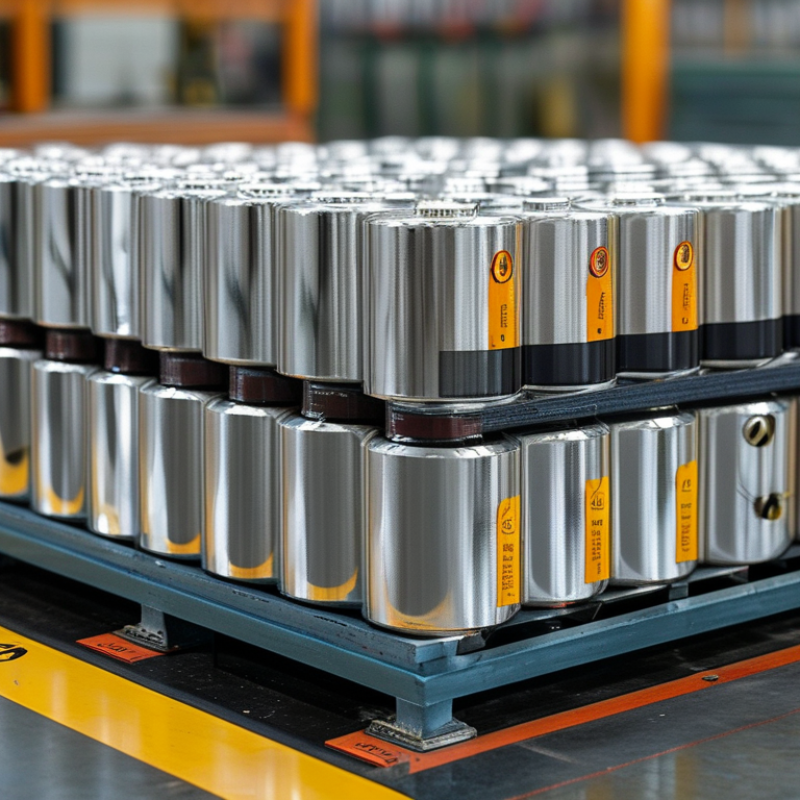
UN3091 identifies lithium metal batteries packed with, or contained in, equipment. They are not lithium-ion batteries. Lithium metal cells usually use metallic lithium as the anode and are commonly non-rechargeable. Typical examples include medical sensors, cameras, watches, and small measuring devices. The equipment may protect the battery, but damage can still cause heat, fire, or short circuits.
The IATA Lithium Battery Guidance Document for 2025 separates UN3091 into two practical packing situations. Packing Instruction 969 covers batteries packed with equipment. Packing Instruction 970 covers batteries contained inside equipment.
Under the small-battery provisions, a lithium metal cell generally cannot exceed 1 gram of lithium content. A battery generally cannot exceed 2 grams.
Packaging must prevent movement, crushing, and contact between terminals. Marking and documentation depend on the battery design, quantity, and transport mode.
Details matter. The United Nations Model Regulations classify lithium metal batteries as Class 9 dangerous goods, even when they are installed in ordinary products. A supplier should verify test evidence under UN 38.3, not rely only on a product datasheet. In practice, incomplete cell records create avoidable delays. IATA also notes that airline variations may add stricter conditions. The label alone does not tell the whole story. One weakness remains common: some shipping teams check the battery, but overlook the equipment’s internal protection and packaging fit.
Key Features and Applications of UN3091 Batteries
China Best UN3091 Lithium Metal Batteries Supplier?
Key Features and Applications of UN3091 Batteries
UN3091 lithium metal batteries are primary cells designed for long-lasting power. They are transported contained in equipment or packed with equipment, not as loose batteries. Their key strengths include high energy density, low self-discharge, and extended shelf life. These features support devices that must operate for months or years. Many models also perform well in compact spaces. Temperature limits still matter. Battery chemistry, cell size, and equipment design affect real performance.
Common applications include medical monitoring devices, electronic meters, tracking equipment, and industrial sensors. They can power memory backup systems, remote controls, and measuring instruments with modest energy demand. In practical product selection, voltage stability is important. A device may fail even when the battery still holds energy. For buyers comparing Chinese suppliers, request clear specifications, safety test documentation, production traceability, and sample testing. Packaging should prevent movement and accidental terminal contact. Labels and transport documents must match applicable requirements.
A reliable supplier should also explain storage conditions and installation limits. Do not judge quality by capacity alone. A low price can hide inconsistent batches or weak technical support. This detail is easy to miss. I would check discharge curves under the equipment’s actual load, not only laboratory figures. Specifications are never the whole story. Supplier communication, response time, and replacement procedures deserve equal attention.
How to Evaluate a China-Based UN3091 Battery Supplier
Evaluating a China-based UN3091 lithium metal battery supplier requires more than comparing prices. UN3091 products may contain lithium metal batteries inside equipment or be packed with equipment, so the supplier must understand the correct product classification. Ask for recent UN 38.3 test summaries, safety data sheets, battery specifications, and transport documents. These records should match the actual cell model and production batch.
A reliable supplier can explain lithium content, rated capacity, terminal protection, insulation, and packaging design without vague answers. Request samples from regular production, not specially prepared units. Check labels, inner packaging, carton strength, and visible damage after handling tests. Factory traceability matters too. Each batch should connect to material records, inspection results, and final release data. Independent laboratory verification can strengthen confidence, especially for new suppliers.
A factory visit may reveal clean workstations, but appearance alone proves little. Review calibration records, worker training, corrective actions, and complaint history. Ask how rejected cells are separated and recorded. One overlooked detail can delay a shipment. I would also compare supplier documents with the latest carrier and destination requirements, because practical rules can change. No supplier is perfect; transparent answers and documented improvements are more valuable than confident promises. Start with a controlled sample order before expanding volume.
UN3091 Compliance, Packaging, and Shipping Requirements
China Best UN3091 Lithium Metal Batteries Supplier?
UN3091 covers lithium metal batteries packed with equipment or contained inside equipment. IATA’s 2025 Dangerous Goods Regulations identify these shipments under Packing Instructions 969 and 970. Section II eligibility generally requires no more than 1 gram of lithium per cell and 2 grams per battery. Check every cell rating. Small errors matter.
Packaging must prevent movement, short circuits, and accidental activation. Use strong outer packaging with insulated terminals and internal cushioning. IATA guidance also expects packages to survive a 1.2-metre drop without dangerous damage or battery displacement. The lithium battery mark, handling labels, and air waybill information must match the shipment. UNECE’s Model Regulations, 23rd revised edition, also support the UN3091 classification and testing framework under UN 38.3.
Shipping teams should verify the test summary, battery count, net mass, and packing instruction before booking air transport. Carrier variations remain common. A package accepted last month may fail under a revised operator rule. That is inconvenient, but real. The International Air Transport Association’s 2025 DGR emphasizes current operator and state variations, not assumptions based on older paperwork. Keep records of inspection photos, package configuration, and training dates. A careful supplier should explain these details clearly, not merely promise “UN3091 compliance.”
How to Select the Best UN3091 Supplier for Your Needs
Selecting a UN3091 supplier requires more than comparing battery prices. UN3091 generally covers lithium metal batteries packed with, or contained in, equipment. Confirm that the supplier understands this classification and your product’s actual shipping condition. Ask for current UN38.3 test summaries, safety data sheets, product specifications, and transport documentation. Missing paperwork is a serious warning.
Check the supplier’s technical control. Request cell chemistry, rated capacity, operating temperature, protection design, and production traceability. A reliable manufacturer should explain how batteries are inspected, labeled, packed, and stored. Ask for sample testing before placing a large order. Examine the packaging closely. Terminals should be protected, internal movement should be limited, and outer cartons should arrive clean and undamaged. Small details matter.
Communication also reveals capability. Can the supplier answer technical questions clearly? Do shipment documents match the actual battery model? Independent factory audits and batch records add confidence, but they do not replace your own verification. It is easy to overvalue a polished certificate or a low quotation. I have found that delivery consistency, change control, and honest replies often matter more. No supplier is perfect. A capable one admits limitations and corrects mistakes quickly. Recheck requirements with your carrier and qualified compliance personnel before shipment, because rules and transport conditions can change.