How to Choose the Best Off Grid Solar System for Your Needs?
Choosing the right Off Grid Solar System can be overwhelming. Many factors influence your decision. Each home has different energy needs.
Consider your power consumption patterns. Calculate how much energy you use daily. This includes everything from appliances to lighting. An accurate assessment is crucial. Not all systems fit every situation.
Research is key. Explore multiple brands and models. Read customer reviews and expert opinions. Some systems may offer better efficiency. Look for warranties and customer support options. Take your time to make an informed choice. This isn't just a purchase; it's an investment in sustainability and independence.
Understanding Off Grid Solar Systems: What You Need to Know
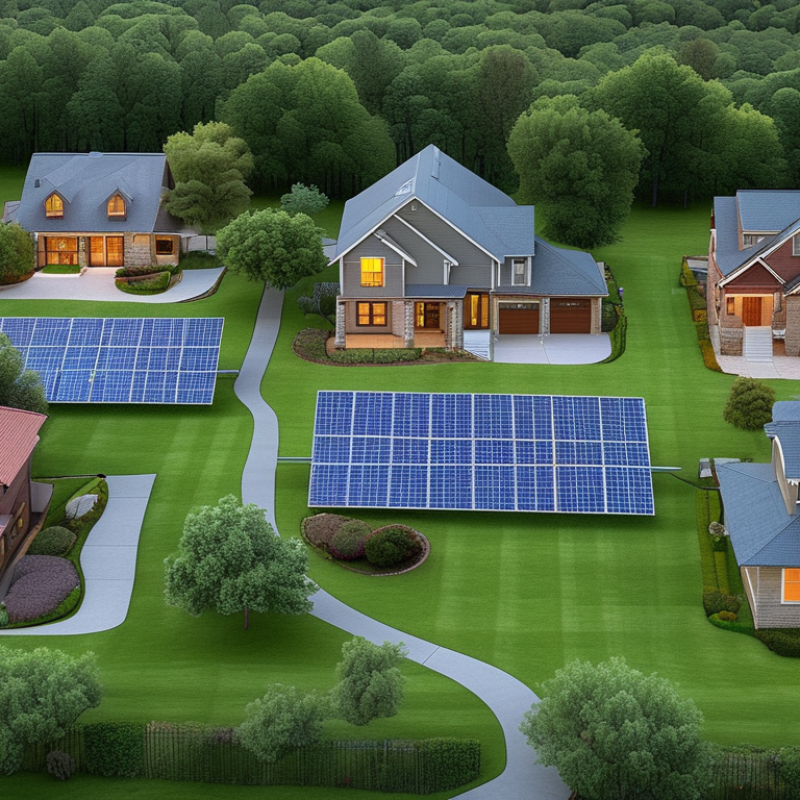
When considering off-grid solar systems, it's crucial to understand how they function. An off-grid system operates independently from the energy grid. This setup often includes solar panels, batteries, and an inverter. Solar panels capture sunlight and convert it into electricity. Batteries store this energy for later use, ensuring a steady power supply during cloudy days or nighttime.
Many factors influence your choice of an off-grid solar system. Evaluate your energy needs carefully. Calculate the average watt-hours you use daily. Think about the number of appliances you will run. Smaller systems are suitable for basic lighting and charging devices. Larger setups may be necessary for homes with heavy energy demands. Remember, oversizing your system can lead to unnecessary expenses.
Installation and maintenance are vital considerations as well. It’s advisable to consult with experts in the field. They can help identify potential inefficiencies in your planned system. Also, ensure you understand local regulations regarding solar installations. Numerous variables impact the effectiveness of your solar setup. Reflect on these aspects to make an informed decision.
Assessing Your Energy Needs: Calculating Usage and Requirements
Assessing your energy needs is crucial when choosing an off-grid solar system. Begin by calculating your daily energy consumption. Note the wattage of each appliance and how long you use them daily. For example, a refrigerator might use 150 watts for 24 hours. Multiply the wattage by hours to find your daily usage. Create a comprehensive list of all appliances and their usage patterns.
Tips: Track your energy use over a week. This helps identify peak consumption times. Consider seasonal variations too.
Once you have your total energy use, factor in future needs. Are you planning to add more appliances? Anticipating changes can help you avoid undersizing your system.
Tips: It’s useful to overestimate your energy needs by about 20%. This adds a safety margin for unexpected usage spikes. Remember, flexibility is key. Off-grid systems should adapt to your lifestyle changes.
Evaluating Solar Panel Types: Monocrystalline, Polycrystalline, Thin-Film
When choosing an off-grid solar system, understanding the types of solar panels is crucial. Monocrystalline panels stand out for their efficiency and space-saving design. They are made from pure silicon, which allows for high energy conversion rates. This means they can produce more power in less space. However, they can be more expensive. Their performance drops slightly in high temperatures, which might impact efficiency in hotter climates.
On the other hand, polycrystalline panels offer a more budget-friendly option. They are created from multiple silicon crystals, resulting in lower efficiency compared to monocrystalline panels. They tend to take up more space for the same energy output. Yet, they can perform better in higher temperatures. Thin-film panels are lightweight and versatile but typically have the lowest efficiency. They may require more surface area to generate the same amount of energy.
Assessing your energy needs and available space is essential. Reflect on variables like climate and installation cost. The right choice can influence energy independence and reduce long-term costs. Understanding the pros and cons of each type will help in making an informed decision. Each option offers unique benefits and trade-offs that might not fit every situation.
Comparison of Solar Panel Types Efficiency and Cost
Choosing the Right Battery Storage: Capacity, Lifespan, and Efficiency
Choosing the right battery storage for your off-grid solar system is crucial. Capacity is one of the most vital factors. It determines how much energy you can store. A larger capacity means more energy for cloudy days. Think about your daily energy needs. What appliances do you rely on?
Lifespan is another key consideration. Most batteries last several years but vary in durability. Lithium-ion batteries typically outlast lead-acid batteries. However, they may come at a higher cost. Balancing your budget with lifespan offers better long-term value.
Efficiency also plays a significant role. Not all batteries perform equally. Some lose energy during storage. Research the charging and discharging rates. This can impact your overall energy use. Reflect on your priorities for energy independence. An ideal battery fits within your unique lifestyle needs.
Determining Budget and Costs: Installation, Maintenance, and Long-Term Savings
When considering an off-grid solar system, budget plays a crucial role. The typical installation cost ranges from $15,000 to $30,000 for a medium-sized system, covering solar panels, inverters, and batteries. A report from the U.S. Department of Energy indicates that solar installation costs have decreased by around 70% since 2010. Despite this decline, upfront costs can still be daunting.
Maintenance costs should also be part of your budget. Regular checks and occasional repairs are essential to ensure the system operates efficiently. Studies suggest that homeowners should expect annual maintenance costs to be around 1% of the initial installation cost. It's important to account for these recurring expenses in your long-term financial planning.
Long-term savings are a key consideration. A well-planned system can offset up to 100% of your energy bills. However, energy efficiency measures should accompany solar adoption. Achieving a balance between the initial investment and future savings requires careful analysis. Many users experience a payback period of 6 to 10 years, depending on energy consumption and market conditions. Expert insights emphasize that understanding these financial dynamics can lead to better-informed decisions.