How to Choose Coloured Cable Sleeving for Any Project?
Installing and Maintaining Coloured Cable Sleeving Correctly
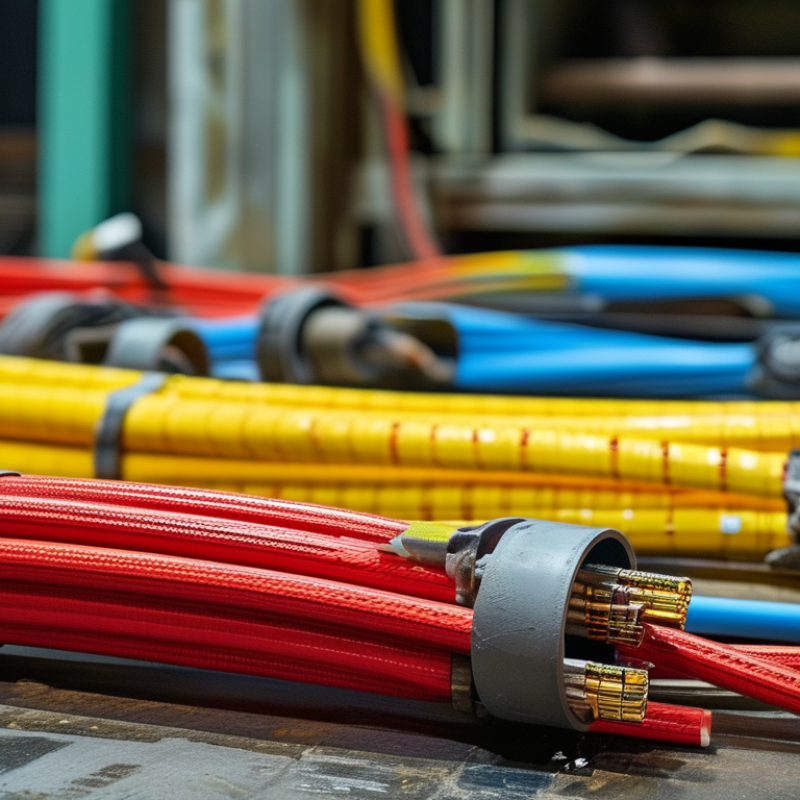
Choose sleeving by temperature, abrasion, flexibility, and chemical exposure, not colour alone. Coloured sleeves can identify circuits quickly, especially inside crowded control panels. However, colour coding must match the project drawing and site procedure. A wrong colour can mislead maintenance workers.
Before installation, measure the cable bundle at its widest point. Select sleeving that slides over connectors without excessive stretching. Cut the sleeve with a clean, hot knife or sealed cutting tool. This reduces fraying. Do not force it around sharp bends. Leave enough length for movement and inspection. Keep the sleeve away from hot surfaces unless its temperature rating supports them. IPC/WHMA-A-620 provides widely used workmanship guidance for cable and wire harness assemblies, including routing and mechanical support.
Secure the sleeve with compatible bands or heat-shrink sections. Avoid crushing the cable beneath tight ties. Inspect both ends after installation. Look for exposed conductors, loose fibres, darkened areas, or flattened sections. NFPA’s Home Fires Involving Electrical Distribution and Lighting Equipment report recorded an annual average of about 32,620 fires in the United States during 2015–2019. Poor cable protection is not the only cause, but it deserves attention. Maintenance records should include inspection dates and observed damage. A sleeve may look acceptable while hiding abrasion underneath. I have seen this assumption delay repairs. Recheck it. Replace damaged sleeving instead of covering it with another layer. During cleaning, use only a method approved for the sleeve material; aggressive solvents can weaken its surface quietly.