| Basic Wired FM Transmitter | Clear sound when the selected frequency is unused and the transmitter is positioned close to the vehicle antenna. Short-range operation generally produces less interference than long-range transmission. | Manual tuning, usually with a limited range of preset channels. Choose an empty frequency between strong local broadcasts. | Physical buttons or a small dial; simple to operate but less convenient while driving. No app or advanced display is normally included. | Commonly powered through a 12 V vehicle socket. Cable length may limit placement on or near the headrest. | Usually accepts a 3.5 mm audio connection. Works with devices that still provide a headphone output. | Lightweight and easy to mount, but cables should be routed away from airbags, pedals, steering controls, and seat tracks. | Older media players, simple installations, and users who prefer a low-cost wired setup. | Good basic performance |
| Bluetooth Headrest FM Transmitter | Digital Bluetooth audio can sound clean when the phone is nearby and the FM channel is free. Sound quality is still limited by vehicle radio reception and FM compression. | Digital frequency selection with a screen or buttons. Some units store several preferred frequencies for different driving areas. | Usually includes play, pause, track, call, and volume controls. Hands-free calling may be available, but microphone performance depends strongly on placement. | Typically uses a 12 V socket and may include a USB charging port. Bluetooth operation avoids a separate audio cable. | Compatible with most phones, tablets, and Bluetooth-enabled media players. Check supported Bluetooth profiles before purchase. | Pair the device before driving and keep the display easy to read without obstructing the driver’s view. Do not place it where a headrest-mounted accessory could affect head restraint movement. | Modern vehicles without Bluetooth audio and passengers who want wireless playback. | Best all-round convenience |
| Bluetooth Transmitter with Dual USB Charging | Similar FM performance to other short-range transmitters. A stable connection depends on an unused FM frequency and a reliable vehicle power supply. | Broad manual tuning is common; some models offer automatic scanning for quieter channels. Manual confirmation is recommended because automatic scans can miss intermittent interference. | Front-facing display and larger buttons improve visibility. Controls should be reachable without requiring the driver to look away from the road. | Usually provides one USB-C port and one USB-A port, with total output commonly shared between ports. Actual charging speed depends on the vehicle socket and the connected device. | Supports Bluetooth audio and, on some designs, USB playback. File-format support should be checked if music is played directly from a USB drive. | Avoid overloading the vehicle socket and use cables with undamaged insulation. Keep charging wires clear of seat movement and passenger footwells. | Daily commuters who need wireless audio and simultaneous device charging. | Best for charging versatility |
| High-Output or Extended-Range FM Transmitter | May provide a stronger local signal, but excessive transmission range can increase interference with nearby vehicles. Audio clarity remains dependent on the receiver, antenna position, and frequency congestion. | Usually offers a wide tuning range and multiple memory presets. A frequency with the lowest local interference should still be selected manually when necessary. | Often includes a larger display, remote control, or app-based settings. More features can increase setup complexity. | Commonly powered by a 12 V socket; some versions include a rechargeable battery for limited portable use. Battery operation requires correct charging and storage practices. | May support Bluetooth, 3.5 mm input, and USB playback. Multiple input modes reduce compatibility problems across devices. | Confirm that the device complies with local radio-frequency regulations. Avoid products that advertise unrestricted or unusually powerful transmission. | Users who travel through areas with frequent FM congestion and need flexible tuning. | Flexible, but requires regulatory care |
| Rechargeable Portable FM Transmitter | Suitable for short-range use when the internal battery is adequately charged. Signal stability can decline as the battery voltage drops, depending on the circuit design. | Usually provides digital tuning with a small display. Preset memory is useful when moving between regions with different broadcast conditions. | Wireless operation allows flexible placement, but small buttons may be difficult to use while moving. A separate phone or audio device may still be required as the source. | Built-in rechargeable battery, commonly charged through USB. Battery runtime varies by output level, display use, and charging condition. | May accept Bluetooth, a 3.5 mm input, or a memory card. Verify whether the selected input can operate while the unit is charging. | Secure the device so it cannot become a loose projectile during sudden braking. Do not use a swollen, damaged, or unusually hot battery. | Temporary installations, rental vehicles, and users who need placement flexibility. | Most portable option |
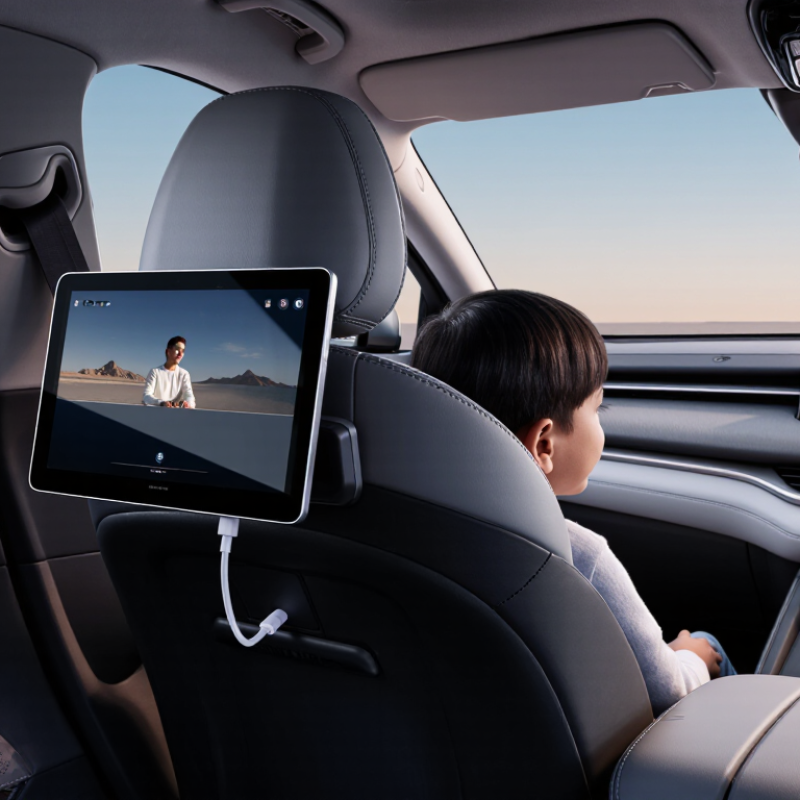
| Vehicle-Integrated Headrest Entertainment Transmitter | Can offer consistent performance when the audio source, transmitter, and power system are integrated. Installation quality and vehicle antenna design have a major effect on reception. | Frequently uses digital tuning and stored presets. Some systems automatically select a clear channel, but local verification is still advisable. | May include a dedicated remote, rear-seat controls, or a display mounted for passenger use. Driver access should be limited to reduce distraction. | Usually connected to the vehicle electrical system through a professionally installed power circuit. A fused connection is important for permanent installations. | May support HDMI, USB, Bluetooth, or dedicated rear-seat media sources. Compatibility depends on the installed entertainment system. | Best installed without blocking head restraints, side-impact airbags, seat belts, or emergency exits. Professional installation is recommended for permanent wiring. | Family vehicles and commercial passenger vehicles requiring a permanent rear-seat system. | Best integrated installation |