How to Choose the Right Zinc Oxide Arrester?
Choosing the right Zinc Oxide Arrester is a practical decision, not a simple product comparison. It affects transformer insulation, distribution equipment, and overall power-system reliability. A suitable arrester must handle temporary overvoltage, lightning impulses, and switching surges without failing prematurely. Small details matter.
The selection process begins with the system’s maximum continuous operating voltage and grounding arrangement. Engineers should also examine rated voltage, discharge current, protective level, energy capability, and housing design. A 10 kA discharge rating may look impressive, but it does not automatically suit every installation. The arrester’s residual voltage must remain below the protected equipment’s insulation withstand level. Otherwise, protection may exist only on paper. IEC 60099-4 requirements, verified test reports, and manufacturer data provide useful technical evidence. Still, documents need careful checking. Marketing language can hide important limitations.
Installation conditions deserve equal attention. A coastal substation may require better pollution resistance than an indoor industrial panel. Altitude, temperature, moisture, vibration, and available space can influence service life. Inspect the earth connection, lead length, and mounting position. Long connecting leads can increase protective voltage during a fast surge. Field experience often reveals this problem after damage occurs. That is too late.
This guide explains how to compare Zinc Oxide Arrester specifications with real operating conditions. It considers application voltage, surge exposure, insulation coordination, construction quality, monitoring options, and maintenance access. Reliable manufacturers should provide traceable test evidence and clear technical support. Independent verification is valuable when the equipment protects expensive transformers or critical lines. The goal is not to choose the largest arrester. It is to choose a properly coordinated device, while recognizing that every site has uncertainties worth reviewing before purchase.
What Is a Zinc Oxide Arrester and How Does It Work?
How to Choose the Right Zinc Oxide Arrester?
What Is a Zinc Oxide Arrester and How Does It Work?
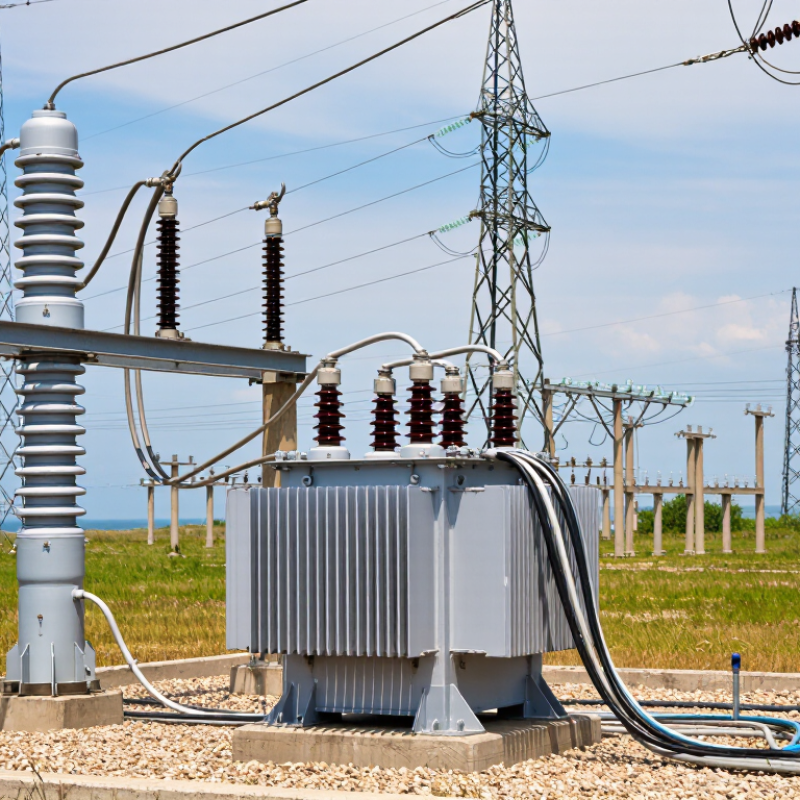
A zinc oxide arrester protects electrical equipment from lightning and switching surges. Its zinc oxide blocks contain microscopic semiconductor boundaries. At normal system voltage, they offer high resistance and allow only a small leakage current. During a surge, resistance drops sharply. The arrester then diverts current to earth and limits the voltage across transformers, cables, or switchgear. When the surge ends, resistance rises again. Fast response matters.
IEC 60099-4:2014 and IEEE C62.11-2020 commonly evaluate arresters with an 8/20 microsecond current waveform. A 10 kA reference discharge current is widely used in testing. CIGRE Technical Brochure 544 also highlights leakage-current monitoring and thermal stability as important maintenance factors. These figures are useful, but they are not the whole decision. Continuous operating voltage, temporary overvoltage, discharge energy, altitude, and pollution can change real performance. A neat datasheet can still mislead.
Tips: Match the arrester’s MCOV to the actual system voltage, not just its nominal label. Check the grounding arrangement and lead length. Shorter leads usually reduce added inductive voltage. Inspect leakage trends over time, because one reading may hide gradual ageing. Field conditions are imperfect, and selection should be reviewed by a qualified electrical engineer.
Compare Arrester Ratings, Energy Capacity, and Protective Performance
How to Choose the Right Zinc Oxide Arrester?
Choosing a zinc oxide arrester starts with its continuous operating voltage, or MCOV. This value must suit the system’s highest normal voltage, not only its nominal rating. Check temporary overvoltage conditions caused by ground faults or switching events. A rating that looks adequate on paper may age quickly in service. It happens.
Compare discharge current next. A 10 kA class arrester may handle common surge tests, but current rating alone does not show total endurance. Review the energy capability in kilojoules per kilovolt. This indicates how much repeated surge energy the arrester can absorb without thermal failure. Areas with long overhead lines, frequent lightning, or capacitor switching usually demand greater energy capacity. Ask for verified test data.
Protective performance depends on residual voltage at the expected discharge current. Lower residual voltage generally protects insulation better, but coordination must include transformer impulse levels, cable length, and grounding resistance. A short connection path matters. Long leads can add inductive voltage during a fast surge. Compare the arrester’s protection level with the equipment insulation level, leaving a practical safety margin. Do not select by catalog figures alone. Installation height, pollution, moisture, and enclosure ventilation can change real performance. Field measurements and maintenance records often reveal assumptions that design calculations miss. One decision may still need review after the first storm season.
How to Choose the Right Zinc Oxide Arrester?
Compare arrester ratings, energy capacity, and protective performance using representative IEC application levels. Higher energy capability supports more severe surge duty, while a lower residual voltage generally provides better insulation protection. Actual values depend on MCOV, system voltage, construction, and test conditions.
Representative engineering values only; they are not manufacturer or brand data. Confirm final selection against the applicable IEC 60099-4 requirements and the arrester datasheet.