How to Extend the Life of Your Lithium Ion Car Battery?
Lithium ion car batteries are essential for modern vehicles, powering everything from electric cars to hybrids. As technology advances, many drivers are now seeking ways to extend the life of these batteries. Proper care and maintenance can lead to a longer lifespan, saving money on replacements.
One key aspect is understanding the charging habits that benefit a lithium ion car battery. Frequent fast charging can harm the battery's health. Instead, consider using slower, standard chargers when possible. This simple practice could make a significant difference over time.
Additionally, temperature plays a critical role. Extreme heat or cold can negatively impact battery performance. Parking in the shade or a garage can protect your vehicle from harsh conditions. Reflecting on your daily driving habits may reveal areas needing change to optimize battery lifespan. Taking these steps can lead to a more efficient and long-lasting lithium ion car battery.
Understanding Lithium Ion Car Batteries and Their Lifespan
Lithium-ion car batteries play a crucial role in electric vehicles (EVs) and hybrid models. Understanding their lifespan is essential for optimal performance. Typically, these batteries last between 8 to 15 years, depending on usage and charging habits. According to the International Energy Agency, battery degradation can happen faster than expected. Factors like temperature, charge cycles, and discharge levels significantly influence their longevity.
Managing the charging frequency is crucial. Keeping the battery between a 20% to 80% charge range can minimize wear. A study by the Coalition for Eco-Friendly Batteries suggests that owners who frequently allow their batteries to drop below 20% may reduce lifespan by up to 30%. This is alarming for many drivers who might not monitor their charge closely. The ambient temperature plays a role, too; extreme heat or cold can cause rapid deterioration.
Regular maintenance can help recognize issues early. Even a small degradation in capacity can lead to performance problems down the line. Interestingly, not all drivers are aware of how their driving habits impact battery health. For instance, aggressive acceleration depletes battery life quickly. It’s not just about charging habits but also how you drive your vehicle.
Factors Affecting Lithium Ion Car Battery Longevity
Lithium ion batteries have become the standard for electric vehicles (EVs). Their longevity is influenced by several key factors. A major factor is temperature. Batteries degrade faster in extreme heat. According to the Battery University, high temperatures can reduce battery life by up to 30%. Essentially, excessive heat speeds up chemical reactions, leading to premature aging.
Charging practices also play a crucial role. Frequent fast charging can stress the battery. Research by SAE International indicates that regular fast charging can shorten a battery's lifespan significantly. Instead, using a slower, more gradual charging method can help mitigate this issue. Efforts to maintain a battery’s charge between 20% to 80% can yield better results.
Another consideration is the depth of discharge. Letting a battery drain completely can lead to damage. A study suggests that keeping lithium ion batteries partially charged is beneficial. Regularly depleting a battery past its limits can be an oversight we all make. Monitoring charge levels closely can help improve battery longevity. These small adjustments can lead to significant improvements in battery life.
Best Practices for Charging Lithium Ion Car Batteries
Charging lithium-ion car batteries requires attention to detail for optimal lifespan. It's essential to avoid letting the battery completely discharge. Studies show that frequent full discharges can reduce the battery's lifespan by nearly 30%. Instead, aim to keep your battery charged between 20% and 80%. This range is ideal for longevity.
Tip: Invest in a smart charger. These devices adjust charging rates based on battery status. They help prevent overcharging, a common cause of battery degradation. Another best practice is to avoid extreme temperatures. Keeping the battery cool extends its life. Research indicates that high heat can significantly shorten battery performance.
Also, be cautious with fast charging. While convenient, it may lead to quicker wear. Experts warn that fast charging can generate heat, which negatively affects battery health. Charging at a slower rate is sometimes better.
Tip: Always unplug once fully charged. Maintaining a full charge can stress the battery. This modest habit can yield better performance and significantly enhance longevity. Regular monitoring helps too. Keep an eye on the charging cycles. Each cycle counts in the overall health of your lithium-ion battery.
How to Extend the Life of Your Lithium Ion Car Battery? - Best Practices for Charging Lithium Ion Car Batteries
| Best Practice |
Description |
Impact on Battery Life |
| Avoid Deep Discharging |
Try to keep the battery level above 20% and avoid letting it drop to 0%. This protects the battery's health. |
High |
| Control Temperature |
Keep your battery in a temperature-controlled environment, ideally between 20°C to 25°C (68°F to 77°F). |
Moderate |
| Use Smart Chargers |
Invest in a charger that can help manage battery health by adjusting charge rates. |
High |
| Regular Maintenance |
Periodically check battery terminals and connections for corrosion and clean them if necessary. |
Moderate |
| Avoid High Voltage Charges |
Charging at high voltage can stress the battery; stick to normal charging recommendations. |
High |
Tips for Maintaining Optimal Temperature for Car Batteries
To maintain the life of your lithium-ion car battery, temperature is crucial. Batteries perform best in moderate temperatures, typically between 20°C to 25°C. Extreme heat or cold can lead to premature aging and reduced efficiency. Parking your car in a garage or shaded area can make a significant difference. This small change helps keep the battery in its optimal temperature range.
Monitoring battery temperature is equally essential. Hot weather can accelerate chemical reactions, leading to faster depletion. Use thermal blankets or battery insulation during winter months to combat the cold. These tools can help stabilize the temperature, but they might not fit every vehicle. Remember to regularly check the battery’s health.
Sometimes, we overlook our batteries during maintenance. A simple visual inspection can reveal corrosion or wear. If you notice anything unusual, take action immediately. Inconsistent temperatures can lead to unpredictable performance. Keeping a consistent and comfortable temperature for your car battery is key to its longevity. Address these factors to extend your battery's lifespan.
Signs of Degradation and When to Replace Your Car Battery
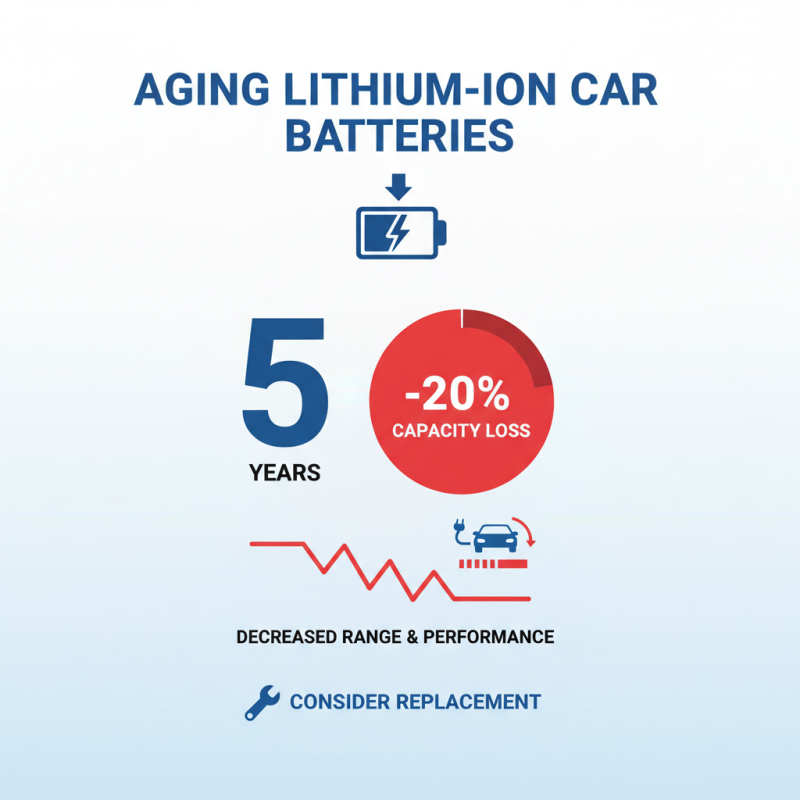
As lithium-ion car batteries age, they display noticeable signs of degradation. A key indicator is the drop in capacity. Most lithium-ion batteries lose about 20% of their original capacity after five years. If you notice a significant decrease in range or performance, it may be time to consider a replacement.
Another sign of trouble is the vehicle's charging behavior. If your battery takes longer to charge or doesn’t hold a charge as efficiently, this could indicate wear. Research shows that high temperatures can accelerate degradation, reducing battery life by up to 50%. Drivers in hotter climates should pay special attention to these symptoms.
Physical signs are also important to watch for. Swelling, corrosion, or leakage from the battery pack can signal serious issues. Ignoring these signs may lead to more severe problems. Regularly checking battery health can prevent unexpected breakdowns and ensure safer driving.