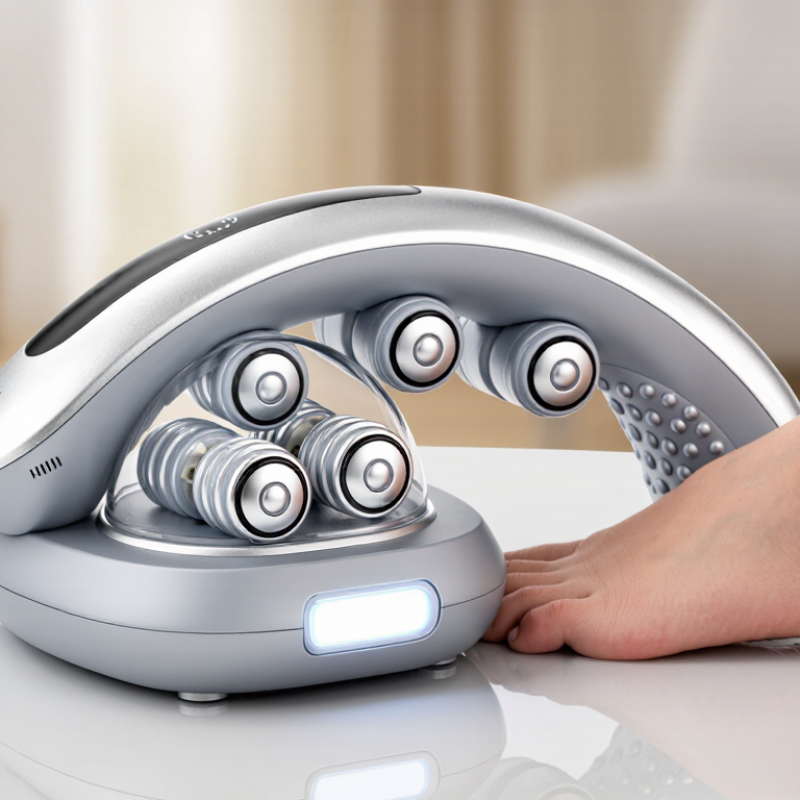
| Device Definition | A powered or manual device designed to massage the heel, sole, arch, or surrounding foot area. | The user places the foot on, in, or against the device, depending on its design and intended contact area. |
| Primary Massage Methods | Common methods include vibration, rolling, kneading, compression, and manual pressure. | A device may use one method or combine several methods to apply repeated mechanical stimulation to soft tissues. |
| Heel Contact | The heel may rest on a platform, fit into a padded chamber, or contact a textured roller or massage head. | Pressure or movement is transferred through the skin and soft tissue around the heel without directly manipulating the heel bone. |
| Vibration | Rapid, small movements produced by an internal motor or vibrating surface. | Vibration creates a rhythmic sensation that may help temporarily reduce the perception of foot tension or fatigue. |
| Rolling and Kneading | Rotating rollers or massage nodes move against the sole and heel area. | The repeated contact resembles circular or pressing hand movements and can be adjusted according to comfort. |
| Air Compression | Inflatable chambers apply intermittent pressure around parts of the foot or ankle. | The chambers inflate and release in cycles, creating a gentle squeezing sensation rather than a rolling motion. |
| Heat Function | Some powered models include a low-level warming function. | Heat is delivered through an integrated warming element and is intended to provide comfort; it does not replace medical treatment. |
| Intensity Control | Many powered devices offer multiple speed, pressure, or massage-mode settings. | Starting at the lowest comfortable setting helps the user assess sensitivity before increasing intensity. |
| Typical Session Length | Short sessions are commonly used for general relaxation and foot comfort. | A practical starting point is approximately 5–15 minutes, following the device instructions and personal comfort level. |
| Potential Everyday Uses | Relaxation, temporary relief of perceived foot tightness, and post-activity comfort. | Massage may make tired feet feel more comfortable, but results vary and it should not be presented as a cure for an underlying condition. |
| Manual Versus Powered Models | Manual products rely on the user’s body weight or hand pressure, while powered products use a motor, air pump, or heating element. | Manual models offer direct control; powered models provide repeated movement or pressure with less physical effort. |
| Safety Consideration | Not every foot massager is suitable for every user or medical condition. | Stop use if pain, numbness, skin irritation, or unusual swelling occurs. People with reduced sensation, circulation problems, open wounds, or relevant medical conditions should seek professional advice first. |
| Expected Result | The immediate result is generally a massage sensation and temporary comfort rather than structural correction. | The device works by applying mechanical stimulation to accessible soft tissues; it does not change bone structure or permanently correct foot mechanics. |