Top Guide to Shipping Lithium Ion Batteries Safely?
Shipping lithium ion batteries safely demands more than a strong box and a printed label. It requires disciplined preparation, accurate documentation, and careful attention to battery condition. A damaged cell can heat rapidly, while a loose connector may create a short circuit during transit. Small details matter.
Celina Mikolajczak, a recognized battery-safety expert and former Panasonic Energy executive, has said, “Safety is a feature, not a cost.” That principle guides every responsible shipment. Before packing, confirm the battery type, watt-hour rating, state of charge, and packaging requirements. Check for swelling, cracks, leakage, punctures, or unusual heat. Do not ship questionable batteries.
Use packaging that prevents movement. Protect terminals with nonconductive material. Separate batteries from metal objects, tools, and other conductive items. A rigid outer box helps, but it cannot correct poor preparation. The shipping label and paperwork must match the actual contents. Accuracy builds trust.
This guide explains the practical steps behind shipping lithium ion batteries, from inspection and classification to packing and carrier communication. It follows established safety guidance from aviation and transport authorities. Requirements can differ by destination, carrier, battery size, and shipment configuration, so current official instructions deserve careful review.
Some advice sounds obvious. It is still missed.
I have also seen guidance become too general. That is a weakness. Safe shipping depends on the specific battery, package, and route. This guide keeps those variables visible, encourages verification, and treats uncertainty seriously. When a requirement is unclear, pause the shipment and ask a qualified dangerous-goods professional or the carrier for confirmation.
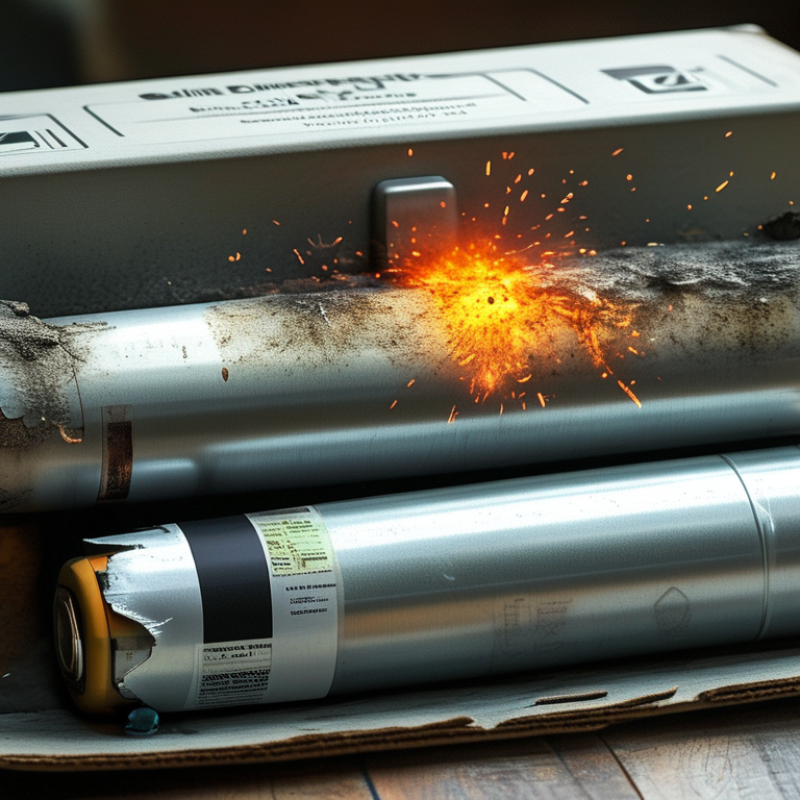
Understanding Lithium-Ion Battery Shipping Regulations and Risks
Shipping lithium-ion batteries safely begins with classification, not packaging.
Under IATA’s Dangerous Goods Regulations, standalone batteries are identified as
UN3480, while batteries packed with or installed in equipment use
UN3481. Their watt-hour rating matters. Batteries up to
100 Wh are generally accepted in carry-on baggage, while
101–160 Wh usually requires airline approval. Larger batteries follow stricter cargo rules. These limits are operational data, not casual advice.
Every lithium-ion battery must pass the UN Manual of Tests and Criteria, Part III, subsection 38.3. Shippers should verify test summaries, state of charge, terminals, packaging, labels, and transport documents. A damaged or swollen cell should never enter a shipment.
It may look harmless. It is not.
Practical handling still fails in small ways. A loose battery can contact a metal tool inside a box. One missing terminal cover may create a serious hazard. Current guidance from IATA and aviation safety authorities emphasizes preventing short circuits and thermal runaway. However, regulations change, and local carriers may apply stricter limits. I once treated watt-hour labeling as a paperwork issue; that was a mistake. It affects routing, acceptance, and emergency response. Check the current IATA Dangerous Goods Regulations, the carrier’s instructions, and the battery manufacturer’s test documentation before handing over the package.
Classifying Batteries by Type, Capacity, and Transport Condition
Safe lithium-ion shipping begins with accurate classification, not a generic “battery” label.
Identify the chemistry, rechargeable status, and physical form. Lithium-ion cells and batteries are rechargeable, while lithium-metal units are usually non-rechargeable. Record whether the battery ships alone, inside equipment, or packed with equipment. This distinction changes the applicable UN entry and packing instruction. The IEA’s Global EV Outlook 2025 reported that electric-vehicle battery demand approached 1 TWh in 2024. That scale makes disciplined classification increasingly important.
Calculate capacity in watt-hours: voltage multiplied by ampere-hours.
A 3.7-volt, 5-Ah battery equals 18.5 Wh. Check both cell and battery limits, because transport rules can treat them differently. Under the IATA Dangerous Goods Regulations, standalone lithium-ion batteries generally require a state of charge no higher than 30 percent for air transport. Higher-capacity batteries may require cargo-aircraft-only handling, stricter packaging, labels, and documentation. Always verify the current edition and carrier acceptance rules.
Transport condition matters as much as capacity.
Inspect for swelling, leakage, cracked casings, exposed terminals, heat damage, or recalls. Damaged or defective batteries need specialist assessment and cannot follow routine shipping assumptions. Protect terminals individually, prevent movement inside the package, and use strong outer packaging. A common screening mistake is trusting a supplier’s watt-hour label without checking the test report or configuration. I would also recheck mixed consignments manually; small cells can create large documentation gaps. Industry guidance, including the UN Manual of Tests and Criteria, requires evidence that batteries passed the relevant safety tests before routine transport.
Preparing Lithium-Ion Batteries for Safe Shipment
Preparing lithium-ion batteries for shipment begins with a careful condition check. Do not pack a battery that is swollen, cracked, leaking, hot, or recently damaged. It should be removed from service, not placed in a box “just for the trip.”
Confirm the battery’s rating, quantity, and transport category before selecting packaging. Current carrier and destination rules may limit lithium content, state of charge, or shipment methods. A trained shipping professional should verify these requirements against the latest applicable regulations. Paperwork matters. So does accuracy. Write the correct battery type, watt-hour rating, and package details on every required document.
Prevent movement inside the package. Cover exposed terminals with non-conductive tape, or place each battery in a separate protective pouch. Use strong inner packaging, cushioning, and a rigid outer box that resists crushing. Keep batteries away from metal tools, keys, and spare parts. Never rely on loose bubble wrap alone. It can shift during handling.
Inspect the final package like a handler would. Could a corner be crushed? Could a terminal touch metal? Is the label readable after rain or abrasion? A simple checklist helps, but it cannot replace judgment. I would rather spend five extra minutes repacking one battery than explain an avoidable failure later. Rules change, and old habits can become unsafe. Recheck carrier instructions before collection, especially for air transport.
Handling Emergencies, Delays, and Damaged Battery Shipments
A delayed lithium-ion battery shipment needs controlled triage, not hurried forwarding. IATA’s 2024 Dangerous Goods Regulations require many standalone lithium-ion batteries to ship at no more than 30% state of charge. Staff should verify the battery type, watt-hour rating, package label, and transport route before releasing it. A missing declaration can create another delay. It may also place handlers at risk.
A damaged package is different. Stop movement when you notice swelling, leakage, a sharp chemical smell, heat, smoke, or a crushed enclosure. Keep people away, isolate the parcel in a safe, monitored area, and contact trained dangerous-goods personnel and the carrier immediately. Do not tape, recharge, open, or place a suspect battery in ordinary waste. The FAA’s PackSafe guidance treats fire, smoke, and overheating as reportable aviation safety concerns. Small warning signs matter.
Emergency planning should include photographs, shipment records, temperature observations, and chain-of-custody details. IATA’s 2024 lithium-battery guidance also emphasizes preventing short circuits through effective inner packaging and terminal protection. That sounds basic, yet rushed repacking still causes mistakes. A practical inspection checklist should name who can quarantine a shipment, who contacts authorities, and who approves disposal. Paperwork alone cannot prove safety. Teams should review every near miss, even when no fire occurs. That uncomfortable review often reveals weak training, unclear escalation, or packaging chosen for cost rather than impact protection.