What Is a Handheld Infrared Sensor and How Does It Work?
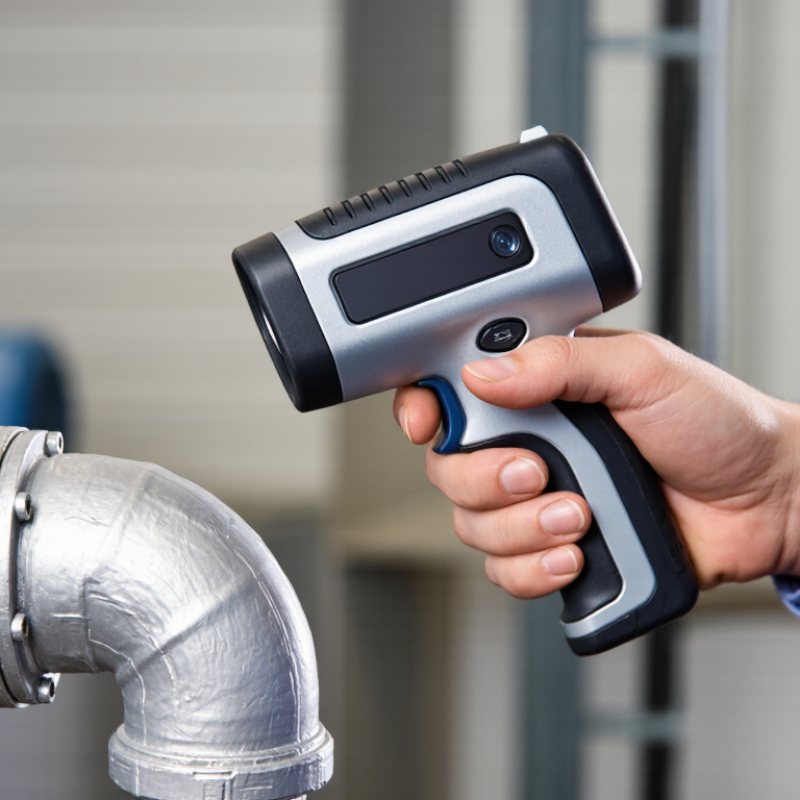
A Handheld Infrared Sensor is a compact instrument that detects infrared radiation without requiring physical contact. It may resemble a small meter, scanner, or pistol-shaped device. Inside, an infrared detector receives invisible thermal energy from a target surface. The sensor then converts that energy into an electrical signal and displays a temperature, movement, distance, or material-related reading.
A useful starting point. In practical use, an operator points the device at a pipe, motor housing, electrical panel, or human-made object. The sensor measures radiation within a defined infrared wavelength range. Its processor interprets that signal using calibration data and environmental assumptions. Emissivity matters greatly. A dull painted surface usually gives more dependable readings than polished metal. Distance, viewing angle, dust, steam, and reflected heat can also change the result.
Reliable operation requires more than pressing a trigger. Experienced technicians check the measurement range, target size, battery condition, and calibration status. They also compare unusual readings with contact thermometers or other approved instruments when accuracy matters. A handheld device can reveal a hot bearing quickly, but it does not explain the underlying fault. That distinction is easy to miss. Readings may appear precise while remaining affected by surface conditions or poor aiming. This article examines the sensor’s main components, detection process, practical applications, and important limitations. It also considers safe handling and responsible interpretation, because infrared measurements support decisions rather than replace professional judgment.
Definition and Basic Components of a Handheld Infrared Sensor
A handheld infrared sensor is a portable device that detects infrared radiation without physical contact. Infrared energy exists beyond visible red light and comes from warm objects, surfaces, or active transmitters. In temperature-sensing models, the device converts detected radiation into an estimated surface temperature. The reading is conditional. Distance, surface texture, reflected heat, and airflow can influence the result.
Its basic components work as a compact measurement chain. An infrared detector receives energy through a small optical window or lens. A filter helps limit unwanted wavelengths. Signal-conditioning circuits then strengthen and stabilize the weak electrical response. A microprocessor interprets that signal using calibration data and selected measurement settings. The screen shows the result, while buttons or a trigger control scanning and recording. A battery, protective housing, and internal temperature sensor support portable operation.
In practical inspections, I hold the sensor steadily and keep the target centered. A shiny metal surface may reflect nearby heat instead of showing its own temperature. That is an easy mistake. Checking emissivity settings and repeating the measurement from different distances improves confidence. Still, a handheld infrared sensor does not reveal hidden internal temperatures. Dust on the lens, changing room conditions, or a wide measurement area can create misleading readings. Careful users record the surface condition and compare results with another reliable method when accuracy matters.
The Step-by-Step Working Process of Handheld Infrared Sensors
What Is a Handheld Infrared Sensor and How Does It Work?
A handheld infrared sensor detects invisible radiation released by objects. Every object above absolute zero emits infrared energy. The device gathers this energy through a lens or optical window. A filter separates useful wavelengths from surrounding light. Then, a thermopile, pyroelectric detector, or microbolometer converts radiation into an electrical signal. The process is quiet.
The signal passes through an amplifier and a digital converter. Internal software compares the reading with calibration references. It also considers ambient temperature, target distance, and surface emissivity. A screen then shows a temperature, image, or alarm value. According to the Grand View Research Infrared Sensor Market Report, the global market was valued at about USD 1.2 billion in 2022. Its projected growth reflects wider use in maintenance, healthcare, building inspection, and automation.
Real measurements are less tidy. A reflective metal pipe may mirror a nearby hot surface. Dust, steam, glass, and an incorrect distance-to-spot ratio can distort results. Experienced technicians often scan slowly, compare nearby surfaces, and verify unusual readings with contact measurements. The U.S. Department of Energy notes that infrared inspections can reveal hidden building heat loss, but proper interpretation remains essential. MarketsandMarkets projects the infrared sensor market to reach roughly USD 1.7 billion by 2028, with growth near 7% annually. That forecast suggests stronger adoption, not perfect accuracy. A sensor can report precisely. The operator may still misunderstand the scene.
What Is a Handheld Infrared Sensor and How Does It Work?
A handheld infrared sensor detects infrared radiation emitted or reflected by an object. Its optics collect the radiation, an infrared detector converts it into an electrical signal, and internal electronics process the signal into a temperature or measurement result.
The chart shows the peak emission wavelength predicted by Wien’s displacement law: λmax = 2898 ÷ T, where λmax is measured in micrometres and T is the absolute temperature in kelvin. Human-body-temperature objects peak near 9.3 μm, which falls within the long-wave infrared range commonly used by thermal sensors.
Major Types and Applications of Handheld Infrared Sensors
A handheld infrared sensor detects energy outside visible light and converts it into a measurable signal. Most models use thermopile, pyroelectric, or photoelectric elements. Thermopile devices measure heat from surfaces. Pyroelectric sensors respond to changing infrared radiation. Active infrared units emit a beam and measure its reflection.
The major types serve different field needs. Handheld infrared thermometers check surface temperature on motors, pipes, food equipment, and electrical panels. Thermal imaging sensors create heat maps, helping technicians locate overloaded connections or moisture-related cold areas. Infrared gas detectors identify absorption patterns from selected gases. Reflective sensors measure distance, movement, or object presence. Each type needs a different calibration method.
Demand is rising. Fortune Business Insights reports that the global thermal imaging market reached about USD 4.68 billion in 2023 and may reach USD 8.07 billion by 2030. MarketsandMarkets also projects continued growth in infrared sensor applications through 2028, driven by industrial monitoring, automotive systems, and security inspection. These figures cover broader markets, not handheld devices alone. That distinction matters.
A practical inspection begins with surface condition, distance, and emissivity settings. Shiny metal can produce misleading readings. Glass can block or reflect infrared energy. Field technicians should compare suspicious readings with contact measurements when possible. No handheld reading is automatically trustworthy. Batteries, lens cleanliness, airflow, and calibration records can change the result. The tool helps reveal patterns, but human judgment still decides whether a warm spot indicates danger or normal operation.











