How to Safely Ship UN3480 Lithium Ion Batteries Worldwide?
Shipping UN3480 lithium-ion batteries requires careful planning and adherence to safety regulations. The International Air Transport Association (IATA) reports that these batteries represent a significant portion of air cargo shipments, accounting for over 500 million units shipped annually. Proper handling is crucial since improper shipping can lead to hazardous incidents.
Dr. Emily Harrison, a leading expert in battery transportation safety, emphasizes, "Ignoring guidelines when shipping UN3480 lithium-ion batteries can have severe consequences." The risks associated with mishandling these batteries highlight the need for clear protocols. Suppliers must stay informed about updated regulations to ensure compliance and safety.
Some challenges persist in the safe shipment of UN3480 lithium-ion batteries. Mislabeling, incorrect packaging, and lack of training among personnel can lead to dangerous situations. It's clear that ongoing education and adherence to best practices are vital. The industry must continuously evaluate its methods to improve safety outcomes.

Understanding UN3480 Regulations for Lithium Ion Battery Shipping
Shipping UN3480 lithium-ion batteries requires adherence to strict regulations. These batteries are classified as dangerous goods. The International Air Transport Association (IATA) and the United Nations (UN) have outlined specific guidelines for safe shipping. Data indicates that mishandling these batteries can lead to incidents like fires or explosions during transit. Thus, understanding these regulations is crucial for any shipper.
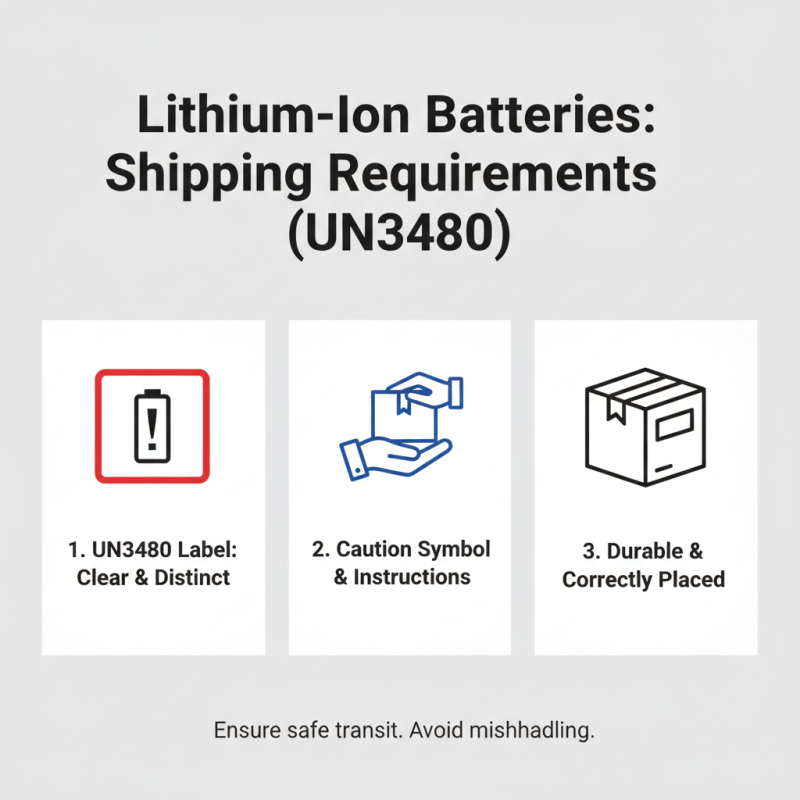
It's essential to package lithium-ion batteries correctly. Use UN-approved containers designed for transport. Labels must indicate the contents as hazardous. Additionally, ensure that terminals are protected to prevent short-circuiting. Batteries should be shipped with a charge level between 30% to 60%, minimizing risks during shipping.
**Tips:** Always check the latest guidelines from regulatory bodies. Consider joining webinars or workshops for updates on shipping best practices. Training staff on battery handling can significantly reduce shipping errors. Keep in mind that labels and documentation should be clear and accurate—this is not only a legal requirement but also a safety precaution.
Global Shipping Compliance for UN3480 Lithium Ion Batteries
This chart illustrates the compliance rates for shipping UN3480 lithium-ion batteries across different regions. The data indicates how well each region adheres to the international shipping regulations set forth for hazardous materials.
Identifying Proper Packaging Materials for Safe Transportation
When shipping UN3480 lithium ion batteries, selecting the right packaging materials is crucial for safety. The primary goal is to prevent damage during transit. The packaging must not only protect the batteries but also comply with international shipping regulations.
Using sturdy outer boxes is essential. Choose boxes made of robust cardboard or plastic that can withstand impacts. Make sure to line the interior with cushioning materials like bubble wrap or foam inserts. This helps secure the batteries and minimizes movement inside the box. Additionally, consider using non-conductive materials to prevent the risk of short circuiting.
Tips: Always label packages clearly. This ensures that handlers are aware of the contents and can take appropriate precautions. Use specific symbols and warning signs as required. Inspect your packaging materials regularly for wear and tear. If boxes show signs of damage, replace them immediately to ensure safety.
It’s important to remember that not all manufacturers provide perfect materials. Test different brands to find what works best for your shipments. Choose packaging that meets required specifications yet remains cost-effective. By focusing on quality, you protect both your batteries and the environment.
Selecting Suitable Shipping Carriers and Services for Global Delivery
When shipping UN3480 lithium-ion batteries, choosing the right carrier is crucial. Many carriers may not accept these batteries due to safety regulations. It is important to research carriers that specialize in hazardous materials. These companies often have the necessary expertise to handle lithium batteries. They understand the specific requirements for packaging, labeling, and documentation.
Consider the services they offer. Some carriers provide customized shipping solutions for battery transport. They may offer temperature-controlled shipping or special handling procedures. Assess your shipping needs carefully. It is advisable to contact carriers directly to discuss your requirements. Transparency in their processes is vital.
Not all carriers are created equal. Some may have hidden fees or limited options for tracking shipments. Others might not be familiar with the latest regulations. This can lead to complications during transit. It is essential to verify their compliance with international shipping laws. Communication with your chosen carrier should be clear and thorough. This approach will help avoid potential misunderstandings.
How to Safely Ship UN3480 Lithium Ion Batteries Worldwide? - Selecting Suitable Shipping Carriers and Services for Global Delivery
| Shipping Carrier |
Service Type |
Delivery Time (Days) |
Reputation |
Cost Estimate (USD) |
| Carrier A |
Express |
2-5 |
High |
150 |
| Carrier B |
Standard |
5-10 |
Medium |
100 |
| Carrier C |
Economy |
10-20 |
Low |
75 |
| Carrier D |
Priority |
1-3 |
Very High |
200 |
Managing Emergency Response and Safety Procedures During Transit
Shipping UN3480 lithium-ion batteries requires careful attention to emergency response and safety procedures. The potential hazards associated with these batteries make it crucial for shippers to be prepared. Having a clear emergency response plan in place can minimize risks.
During transit, regular checks of the packaging and containment systems are vital. Batteries must be stored in original packaging whenever possible. If not, use materials that can withstand potential leaks or fires. Monitoring battery conditions is essential. Use tracking technology to oversee temperature and humidity levels throughout the journey.
In case of an emergency, immediate action is key. Train staff on how to handle battery leaks or fires. Identify local emergency contacts and resources before shipping. Be aware that not all situations can be anticipated, so continuous reflection on safety procedures is necessary. This process may uncover areas that need improvement, ensuring better preparedness for future shipments.