How to Safely Transport UN3480 Lithium Ion Batteries?
Transporting UN3480 lithium ion batteries requires careful consideration and adherence to safety protocols. These batteries power many devices we rely on daily. However, they can present risks, including fire hazards if not handled properly. Therefore, understanding the right procedures before transportation is crucial.
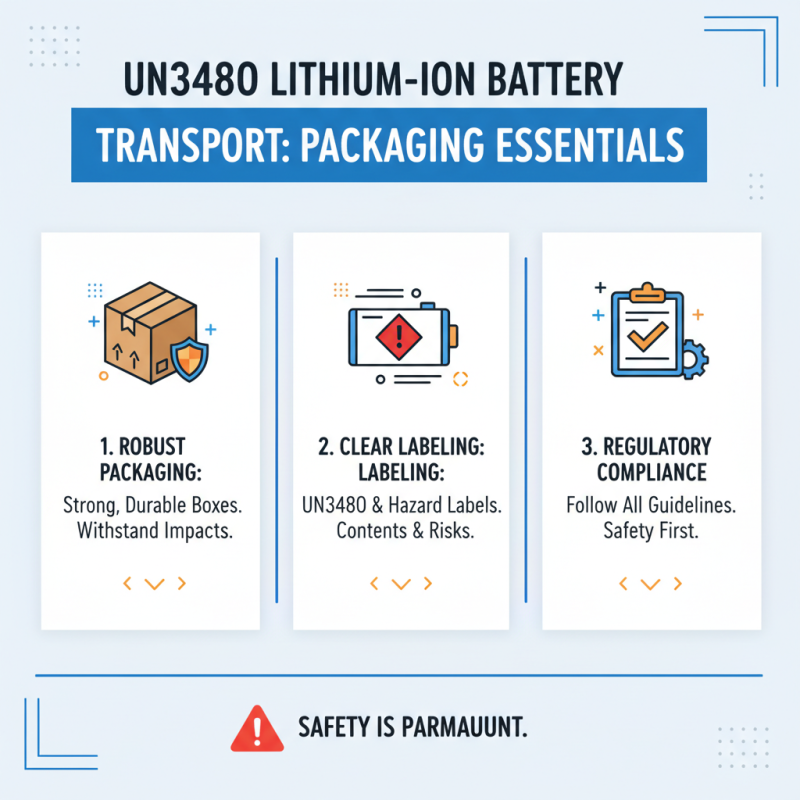
When preparing UN3480 lithium ion batteries for transport, one must focus on packaging. Proper containment minimizes the risk of short circuits. Clearly labeling packages ensures that handlers recognize the contents and their potential dangers. However, many overlook the importance of quality packaging, which can lead to critical mishaps.
Furthermore, ensure all personnel involved are trained in the safe handling of these batteries. Awareness can prevent accidents and improve overall safety during transport. Ultimately, the responsibility lies with everyone involved. Reflecting on past incidents can lead to better practices and more secure transport solutions.

Understanding UN3480 Lithium Ion Batteries and Their Risks
Understanding UN3480 lithium-ion batteries is crucial for safe transport. These batteries are widely used in many devices, so their risks must be acknowledged. They can overheat, catch fire, or explode if damaged or improperly handled. The potential hazards make it vital to transport them carefully.
When packing UN3480 batteries, consider their condition. Look for any dents or corrosion. Use appropriate cushioning materials to prevent movement during transit. Check that terminals are insulated to avoid short circuits. Labeling packages clearly is essential. Indicate they contain lithium-ion batteries to alert handlers.
Regulations often dictate the size and weight limits for transportation. Failing to follow these can lead to accidents. Awareness of local transportation guidelines is also necessary. Missteps can lead to severe consequences. Transporting these batteries demands attention to detail and caution.
How to Safely Transport UN3480 Lithium Ion Batteries? - Understanding UN3480 Lithium Ion Batteries and Their Risks
| Aspect |
Details |
| Battery Type |
Lithium Ion (UN3480) |
| Hazard Classification |
Class 9 (Miscellaneous) |
| Weight Limit |
Up to 300 Wh per battery |
| Packaging Requirements |
Strong outer packaging, cushioning materials |
| Labeling |
Warning labels required for hazardous materials |
| Transport Modes |
Air, ground, sea (with restrictions) |
| Emergency Procedures |
Contact emergency services, follow MSDS instructions |
Regulations Governing the Transport of Lithium Ion Batteries
Transporting lithium-ion batteries requires a solid understanding of regulations. These batteries fall under UN3480. They are widely used in consumer electronics. However, their transport can pose risks. Regulations aim to minimize these hazards.
The International Air Transport Association (IATA) outlines the necessary guidelines. Batteries must be packaged in a way that prevents short circuits. The terminals should be insulated. Each package must be clearly labeled. Marking requirements help emergency responders during incidents.
Not all carriers treat lithium batteries the same. Some may refuse shipments or impose extra fees. Road transport has its regulations too, which vary by region. Compliance ensures safety but can be confusing. Companies must stay updated on changing rules, often leading to misinterpretations. It’s essential to regularly review these guidelines to avoid pitfalls.
Transport Regulations Compliance for Lithium Ion Batteries
Best Practices for Handling and Loading Lithium Ion Batteries
Transporting UN3480 lithium-ion batteries requires careful handling to ensure safety. These batteries are sensitive to temperature and physical damage. It’s crucial to pack them securely to prevent short circuits. Always place batteries in an approved container. Use cushioning materials to minimize movement during transport.
Tips: When loading batteries, check the terminals. Ensure they are completely covered. Use insulating materials if necessary. Every precaution counts. Avoid stacking batteries on top of each other. This can lead to damage. Keep them upright to maintain integrity.
The environment plays a significant role too. Extreme temperatures can cause batteries to malfunction. Avoid leaving them in direct sunlight or cold areas during transport. Always check state or national regulations before shipment. These guidelines can vary, so do your homework. Staying informed is part of responsible handling.
Emergency Response Protocols for Battery Transport Incidents
Transporting UN3480 lithium-ion batteries demands strict adherence to safety protocols, particularly for emergency response. In case of an incident, quick and informed actions can mitigate risks.
These batteries can catch fire if damaged or improperly handled. Firefighting equipment should be easily accessible and in good condition. Use a Class D fire extinguisher for metal fires. Alternatively, sand or fire blankets can help smother flames.
When an accident occurs, communication is critical. Workers need to report incidents immediately. Clear protocols should state who to contact and how to react. All personnel should be trained in identifying hazards. This includes knowing what to do if smoke or fumes are present. Evacuating the area quickly is vital when safety is compromised.
Contingencies for battery leaks must also be outlined. Use absorbent materials specifically rated for chemical spills. Personnel need to wear appropriate protective gear when responding to spills. Reflecting on previous incidents can inform better practices. Observations from past emergencies help refine response tactics and improve training. Continuous updates on battery transport protocols are essential for safety.