How to Source UN3091 Lithium Metal Batteries for Global Trade?
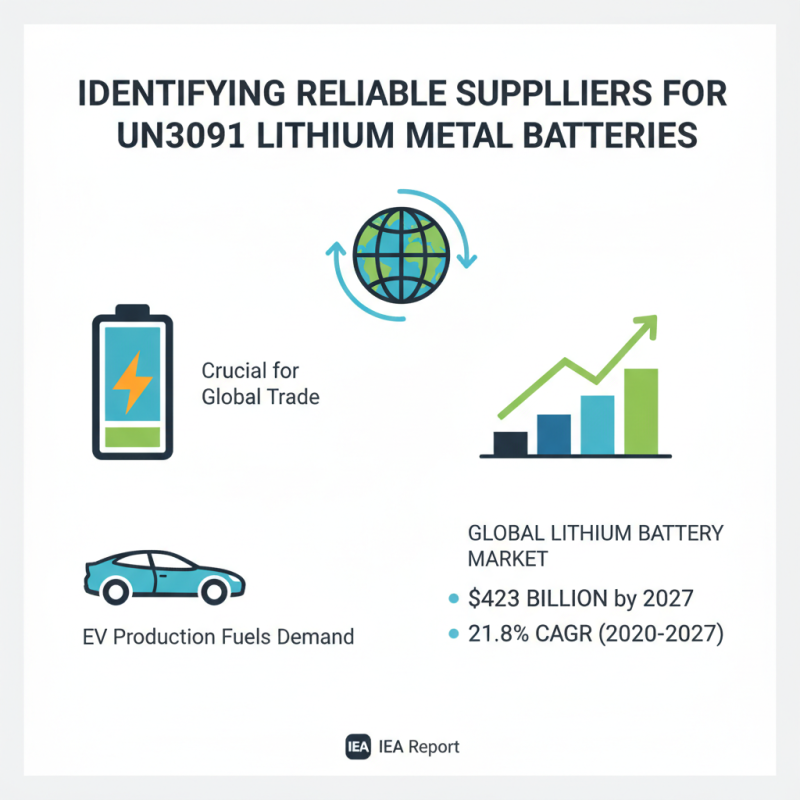
In the realm of global trade, sourcing UN3091 lithium metal batteries can be challenging. These batteries are essential for various applications, from electronics to electric vehicles. Understanding the intricacies of sourcing is crucial for businesses aiming to engage in this market.
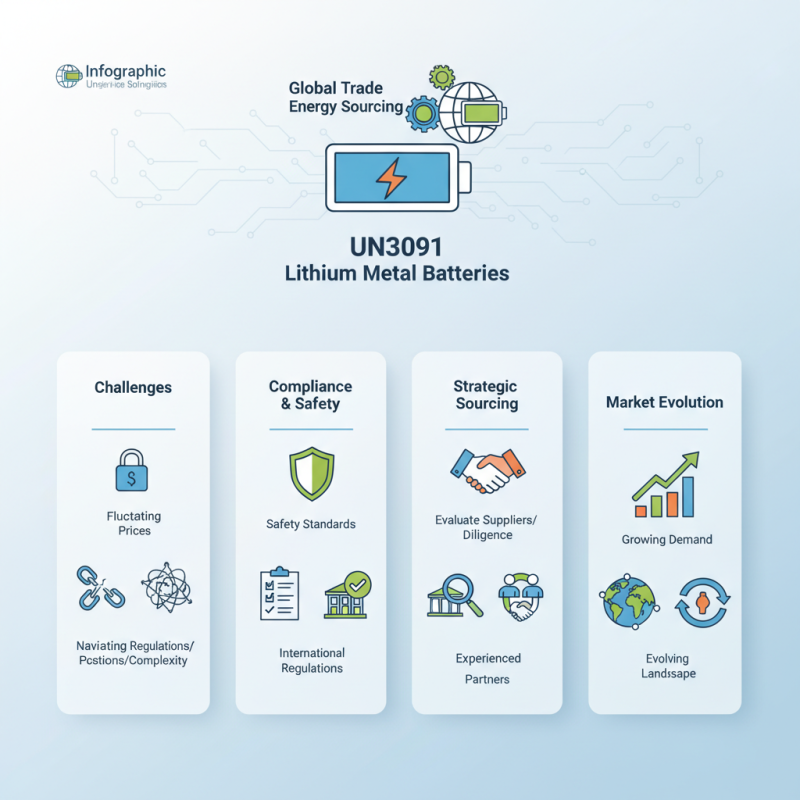
Navigating the regulations surrounding UN3091 lithium metal batteries requires specialized knowledge. Compliance with safety standards is a must. This complexity can lead to mistakes for those unfamiliar with the requirements. Thus, partnering with experienced suppliers can mitigate the risks associated with sourcing. Moreover, this sector often deals with fluctuating prices and supply chain issues that can complicate purchasing decisions.
Additionally, evaluating potential suppliers thoroughly is vital. Companies should look for reputable sources. Engaging in thorough due diligence can help prevent costly errors. Knowledge about international shipping regulations and safety measures is necessary to avoid potential pitfalls. As the demand for UN3091 lithium metal batteries grows, the sourcing landscape will continue to evolve. Understanding these factors can provide a strategic advantage.
Understanding UN3091 Lithium Metal Batteries and Their Specifications
Lithium metal batteries classified as UN3091 are crucial for many applications. These batteries contain metallic lithium and are often used in small electronic devices and specialized equipment. Their unique properties enable high energy density, but they also pose specific handling challenges due to their flammability.
Understanding the specifications of UN3091 batteries is essential for safe procurement and transportation. They must comply with international shipping regulations, which dictate packaging and labeling standards. Proper identification and documentation are critical. Improper handling can result in accidents or legal issues.
Sourcing these batteries requires careful consideration of reliability and safety standards. Not all suppliers meet the stringent requirements. It’s essential to evaluate their credentials and technical expertise. Many manufacturers misrepresent battery specifications. Verify all details to avoid costly mistakes.
How to Source UN3091 Lithium Metal Batteries for Global Trade?
| Specification |
Details |
| Battery Type |
Lithium Metal Battery |
| UN Classification |
UN3091 |
| Voltage |
3.0 - 3.7 V |
| Typical Capacity |
1000 - 5000 mAh |
| Weight |
30 - 200 g |
| Temperature Range |
-20°C to 60°C |
| Storage Conditions |
Cool, dry place, away from metal objects |
| Transport Regulations |
IATA, IMDG compliant |
| Packaging Requirements |
Non-conductive materials, specific labeling |
| Market Applications |
Consumer electronics, medical devices, military |
Navigating International Regulations for Shipping UN3091 Lithium Batteries
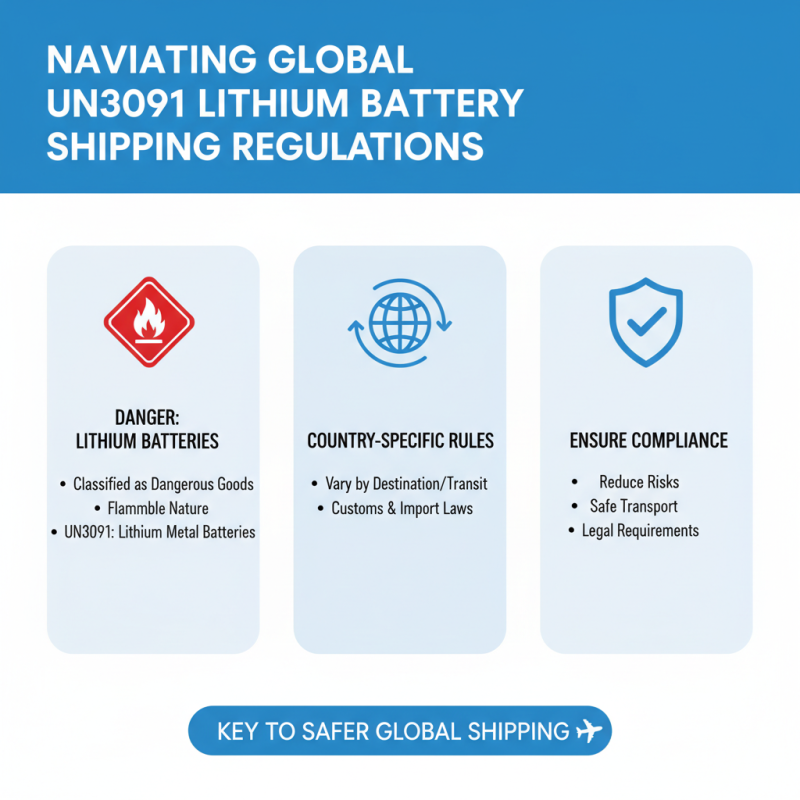
Navigating international regulations for shipping UN3091 lithium batteries can be challenging. These batteries are classified as dangerous goods due to their flammable nature. It is crucial to understand the specific requirements of each country involved in the shipping process. Compliance with the regulations helps reduce risks and ensures safe transport.
When preparing for global trade, start by reviewing the International Air Transport Association (IATA) guidelines. They provide essential information on packaging and labeling. It is important to use UN-approved packaging to avoid fines. Packaging should be robust enough to withstand rough handling. Additionally, check for any country-specific restrictions or extra certification needed.
Documentation is another key element. Ensure you have all necessary paperwork, including a declaration of Dangerous Goods. Missing documents can lead to shipping delays or customs issues. Be prepared for inspections, as officials may scrutinize shipments closely. Mistakes can have serious consequences, affecting your reputation and business relationships. Stay informed and continually review compliance requirements to improve your shipping practices.
Best Practices for Quality Assurance in Sourcing Lithium Metal Batteries
Sourcing lithium metal batteries requires careful consideration of quality assurance. Many companies overlook essential quality checks, which can lead to significant issues down the line. Conducting thorough supplier audits is crucial. This ensures that the manufacturer adheres to international safety and quality standards. Audits should assess production processes, material sourcing, and testing methods.
Documentation plays a vital role in verifying compliance. Request detailed test reports and certifications from suppliers. These documents should indicate that the batteries meet industry safety requirements. Additionally, consider using third-party testing services. This adds an extra layer of assurance. Regular communication with suppliers is essential, yet many firms fail to maintain consistent dialogue.
Understanding the market landscape is beneficial. Research potential suppliers extensively. Analyze their track record and reputation within the industry. Be aware of red flags, such as vague communication or inconsistent product quality. Such factors can raise concerns. Quality assurance is not a one-time effort; it requires ongoing commitment and vigilance to ensure a reliable supply chain for lithium metal batteries.
Logistical Considerations for Global Trade of UN3091 Lithium Batteries
When sourcing UN3091 lithium metal batteries for global trade, logistical considerations are paramount. These batteries are classified as dangerous goods, necessitating compliance with international regulations. The International Air Transport Association (IATA) outlines strict guidelines for the air transport of lithium batteries, including packaging and labeling requirements. Missteps can lead to significant delays or penalties. In 2020, about 30% of lithium battery shipments faced regulatory scrutiny due to non-compliance.
Additionally, storage and transportation conditions must meet specific safety standards. These batteries should be stored in a cool, dry environment to mitigate fire risks. According to a report from the Battery Safety Council, almost 20% of incidents involving lithium batteries can be traced back to improper handling during transit. Therefore, shippers must ensure that their logistics partners are well-versed in handling hazardous materials. Understanding these dynamics can minimize risks in the supply chain.
Import/export regulations can vary by region, complicating trade. Contacting local regulatory bodies for updated requirements is essential. A notable survey conducted by the Global Battery Alliance indicated that 62% of exporters found navigating these regulations challenging. Companies must invest time into understanding local laws to avoid disruptions. Careful coordination and communication with logistics teams are necessary for successful global trade.
Global Trade of UN3091 Lithium Metal Batteries