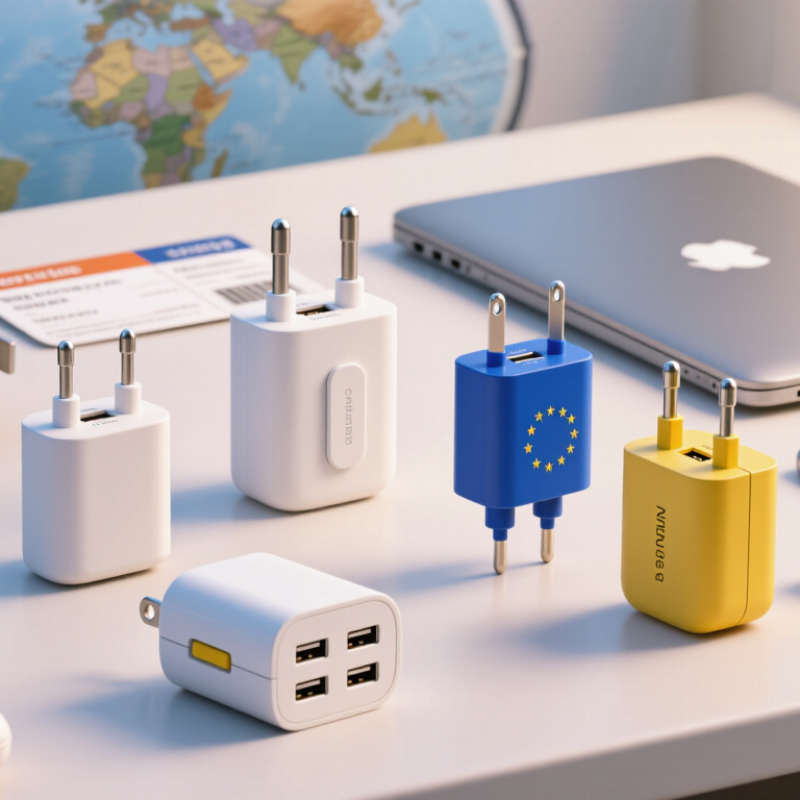
Choosing the right Universal Power Adapter is less about finding one device for every situation and more about matching its limits to your equipment. A compact adapter may fit neatly beside your passport, yet still lack the voltage range, plug type, or power capacity your devices require. Check each device’s input label before packing. Small print matters.
Electrical safety experts often stress a simple principle: “Match the adapter’s output to the device’s input, and never assume that a plug fitting means the power is compatible.” This is practical guidance, not a verified quotation from a named industry expert; I won’t attribute it to someone without a reliable source. That distinction matters when choosing equipment you’ll rely on abroad.
This guide walks through 12 useful checks, from plug compatibility and voltage support to USB ports, wattage, build quality, and safety markings. You’ll learn what to inspect on a charger label and how to avoid common mismatches, such as connecting a high-powered laptop to a low-wattage adapter. Not every product claim is equally clear. Some labels deserve a second look. Use these tips to compare options carefully, while remembering that an adapter may change plug shape without converting voltage.
Before packing a universal power adapter, identify the exact plug type used at your destination. A country may use more than one socket design, especially across older buildings and renovated hotels. Check a current plug reference and compare its diagrams with the adapter’s listed plug shapes. Similar-looking pins can differ in spacing, thickness, or angle. Small differences matter.
Then consider the physical socket, not just the country label. Some outlets are recessed, so a bulky adapter may not sit securely. Others have grounding contacts that a compact travel adapter cannot connect. Look for clear product details showing supported plug types and grounding features. At home, test the adapter in a matching outlet and gently check whether it stays firm. A loose fit can interrupt charging or expose pins.
I once assumed “universal” meant every socket would accept it. That was too optimistic. An adapter changes the plug shape; it does not automatically convert voltage or frequency. Check the voltage printed on each device, too. If the outlet is recessed or unusually narrow, a small adapter may still fail to reach the contacts. Leave room for uncertainty. A country-wide guide cannot guarantee the exact outlet in your room.