Selecting among the top 10 Li polymer battery manufacturers requires more than comparing quoted prices.
The IEA’s Global EV Outlook 2024 reports that global battery demand reached about 750 GWh in 2023, increasing nearly 40% year on year. This growth can pressure suppliers to shorten testing and delivery schedules. Ask for evidence.
Request cell-level specifications, not only a sales brochure. Check nominal voltage, capacity tolerance, discharge rate, cycle-life conditions, swelling limits, and storage temperature. A 3,000 mAh cell tested at 25°C may perform differently inside a sealed wearable device.
Ask for independent test records covering IEC 62133-2, UN 38.3, and applicable transport documentation. Samples can mislead.
A reliable supplier should provide lot traceability, incoming-material controls, aging data, and a documented failure-analysis process. BloombergNEF reported average lithium-ion pack prices of 115 dollars per kWh in 2024, but Li polymer pricing can vary sharply with pouch design, protection circuits, and low-volume customization.
The cheapest offer may exclude tooling, safety testing, or replacement support. That matters.
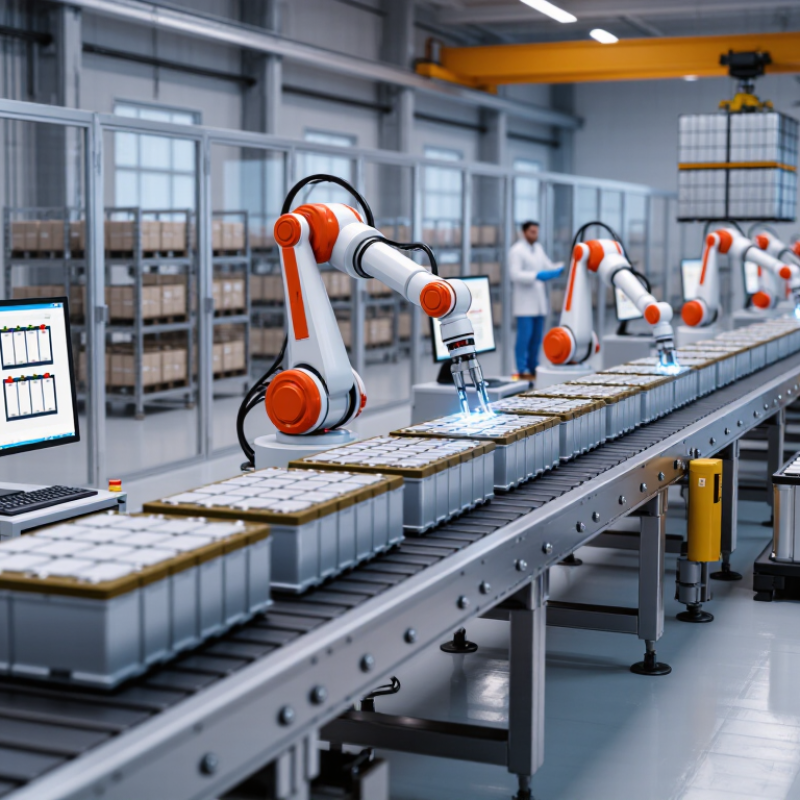
Visit the production site when possible, or arrange a live video audit. Examine dry-room controls, cell-sealing equipment, inspection records, and warehouse conditions. Confirm who owns the tooling and how engineering changes are approved.
A supplier with strong experience will explain weaknesses openly, not promise perfect cycle life. I would also test pilot batches under real loads for several weeks.
A checklist cannot reveal every problem. Suppliers should, though, make problems visible early.