Top 10 Tips for Shipping Li Ion Batteries Safely?
Shipping Li-ion batteries requires careful attention and adherence to safety guidelines. These batteries are widely used in various devices, from smartphones to electric vehicles. However, improper shipping can lead to dangerous situations, including fires or leaks. Knowing how to ship Li-ion batteries safely is crucial for businesses and individuals alike.
There are specific regulations and best practices that must be followed. Many people often overlook these guidelines, leading to preventable issues. Packaging is key; using the correct materials makes a significant difference. Additionally, labeling the package properly can prevent misunderstandings during transit. Mishaps often occur when safety precautions are ignored, underscoring the importance of education and training in this area.
In the following sections, we will explore the top ten tips for safely shipping Li-ion batteries. It is essential to approach this topic with awareness and preparedness. With the right knowledge, we can minimize risks and ensure safe delivery. By reflecting on past mistakes, we can learn to improve safety standards in shipping Li-ion batteries.

Importance of Understanding Li-ion Battery Regulations for Shipping
Understanding regulations for shipping Li-ion batteries is crucial for safety. These batteries, while efficient, pose risks if mishandled. Regulations vary by region, impacting how these batteries are packed and transported. Familiarizing yourself with guidelines from authorities like the UN and IATA is necessary to avoid accidents. Compliance ensures your shipment won't be rejected or delayed.
Proper packaging is vital. Use strong and durable materials to prevent damage during transit. Include appropriate labels to indicate the nature of the contents. This communicates potential hazards clearly. Another important aspect is ensuring terminals are insulated to prevent short circuits. Always check for any signs of damage before shipping.
It's easy to overlook details. Many shippers forget that lithium battery shipments must sometimes be accompanied by documentation. This can include Material Safety Data Sheets or transport declarations. Neglecting this can lead to trouble with authorities. Mistakes can also arise from miscategorizing batteries. Taking the time to verify classification could save you from significant issues.
Choosing the Right Packaging for Safe Transportation of Li-ion Batteries
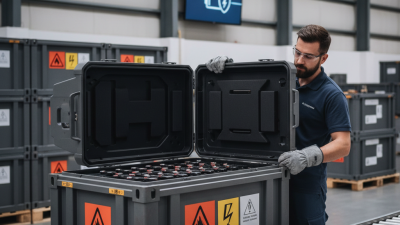
When shipping Li-ion batteries, selecting the appropriate packaging is crucial. The right packaging can prevent accidents and ensure compliance with safety regulations. Using a strong outer box made of sturdy cardboard is essential. This box should have sufficient padding to protect the batteries from physical impact during transit. Bubble wrap or foam inserts can help cushion the batteries effectively.
Ventilation is another important aspect. Packaging should allow for air circulation while keeping the batteries secure. Including warning labels on the outside of the package can inform handlers about the contents. If batteries are shipped in bulk, separate the individual packs to avoid short-circuits. Clear instructions on handling can reduce risks significantly.
Even with careful packaging, it's not uncommon to encounter issues. Sometimes packages are mishandled, leading to damage. Regularly reviewing packaging methods can help identify weaknesses. Test new packaging designs in real shipping scenarios. Continuous assessment is vital for maintaining safety standards.
Top 10 Tips for Shipping Li-Ion Batteries Safely
| Tip Number |
Tip Description |
Packaging Type |
Regulatory Compliance |
| 1 |
Use UN-certified packaging |
Box with cushioning |
Yes |
| 2 |
Ensure terminals are insulated |
Foam-padded boxes |
Yes |
| 3 |
Avoid shipping damaged batteries |
Sealed containers |
Yes |
| 4 |
Keep batteries within temperature limits |
Thermal insulated boxes |
Yes |
| 5 |
Label packages properly |
Standard shipping boxes |
Yes |
| 6 |
Use cushioning materials to prevent movement |
Bubble wrap or foam |
Yes |
| 7 |
Avoid mixing different types of batteries |
Dedicated battery boxes |
Yes |
| 8 |
Secure batteries to prevent movement |
Secured crate |
Yes |
| 9 |
Consult with carriers regarding regulations |
Carrier-specific packaging |
Yes |
| 10 |
Regularly review shipping procedures |
Quality control boxes |
Yes |
Labeling and Documentation Requirements for Li-ion Battery Shipments
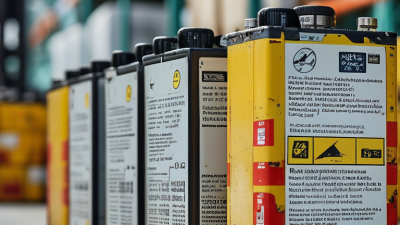
Shipping lithium-ion batteries requires careful attention to labeling and documentation. Proper labeling ensures that handlers can identify risks associated with these batteries. They must be marked as dangerous goods. The UN number needs to be clear on the labels. Use distinct symbols that convey the battery's potential hazards.
Documentation also plays a critical role. Shipping papers must indicate the contents and their associated dangers. Include the appropriate packing instructions as outlined by international regulations. Ensure that the weight and dimensions of your package are accurate. Misinformation can lead to serious consequences during transit.
Understanding these requirements is key. Sometimes, shippers overlook details, leading to delays or fines. Attention to detail is vital. Review your documentation thoroughly before shipment. Errors can be costly and time-consuming to correct. Safer shipping begins with preparedness and awareness.
Best Practices for Handling and Storing Li-ion Batteries During Shipping
When shipping lithium-ion batteries, safe handling and storage are paramount. Begin by inspecting each battery for physical damage. Cracks or dents can lead to leaks or fires during transport. Store batteries in a cool, dry place before shipping. Heat is a significant risk factor that can compromise safety.
Proper packaging is crucial too. Use UN-approved containers specifically designed for lithium batteries. Cushioning materials, like bubble wrap, help to prevent movement. This minimizes the risk of punctures or short circuits. Use nonsparking boxes and remember to secure terminals to prevent electrical contact.
Labeling is not just a formality. Clearly mark boxes with warning labels. This informs handlers of potential hazards. Always provide clear documentation about the contents. Incomplete information can lead to delays or accidents. Consider training your staff on transportation protocols. Awareness enhances overall safety. Staying informed and vigilant is essential for safe shipping practices.
Top 10 Tips for Shipping Li-Ion Batteries Safely
Emergency Procedures for Li-ion Battery Incidents during Transit
During transit, the risk associated with lithium-ion batteries increases. Understanding emergency procedures for incidents is crucial for safety. According to the National Fire Protection Association (NFPA), lithium-ion batteries account for a significant percentage of fire incidents during shipping. It's vital to have an emergency response plan in place.
If a battery incident occurs, isolate the area immediately. This helps prevent the spread of fire and minimizes risk to personnel. Use extinguishing agents such as Class D fire extinguishers specifically designed for metal fires, as regular extinguishers may not be effective. Accurate labeling of packages containing lithium-ion batteries can assist first responders. Clear instructions should be provided to manage emergencies effectively.
Timely reporting of incidents to authorities is essential. This ensures proper investigation and mitigates future risks. Utilize packaging that meets DOT and IATA standards. Ensuring proper voltage and current limits can help reduce the likelihood of overheating during shipment. It also emphasizes the importance of training staff on proper handling, storage, and emergency protocols. Even minor deviations in packing practices can lead to serious consequences. Always prioritize safety measures throughout the shipping process.