7 Best Titanium Parts Suppliers for Global Buyers
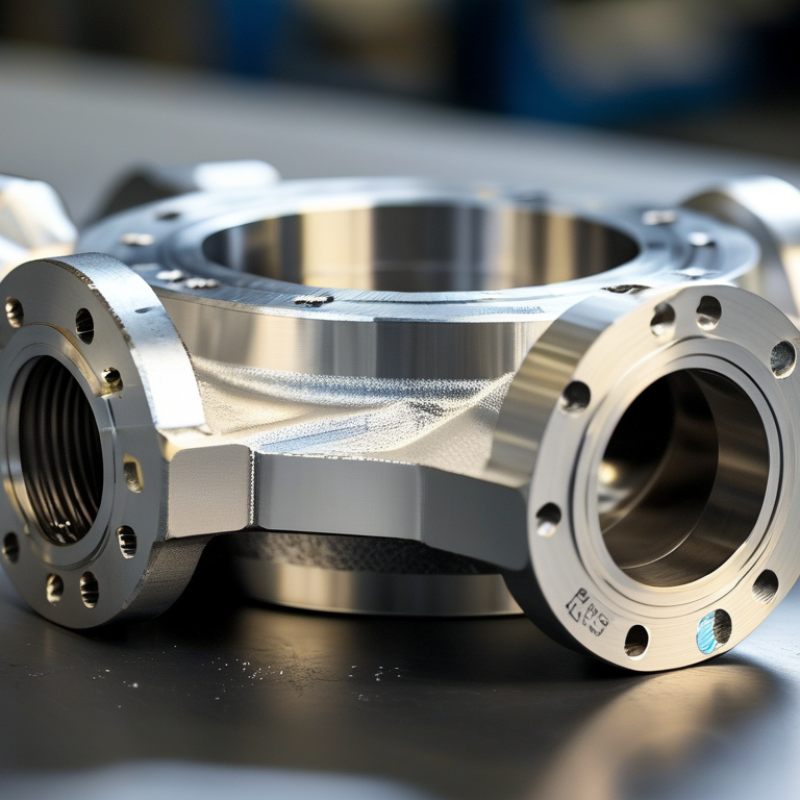
Choosing reliable Titanium Parts suppliers requires more than comparing catalog prices. Aerospace, medical, energy, and marine buyers need consistent chemistry, accurate machining, and complete material traceability. A bright titanium flange may look perfect, yet its mill certificate, heat number, and inspection record determine whether it is genuinely dependable.
Industry data shows why supplier selection matters. The U.S. Geological Survey’s Mineral Commodity Summaries 2025 identifies titanium sponge as a strategic industrial material, with aerospace demand remaining a major market driver. Grand View Research has also projected continued growth in the global titanium market, supported by aerospace, medical implants, and chemical processing. These reports differ in market size and forecasting methods. That is worth remembering.
“Titanium’s value comes from its performance in demanding environments,” explains Matthew J. Donachie, author of Titanium: A Technical Guide. His observation reflects the practical challenge facing global buyers. Titanium Parts often deliver high strength, low density, and strong corrosion resistance. They can also bring higher machining costs, longer lead times, and stricter quality-control requirements.
This guide evaluates seven suppliers through a buyer’s lens. It considers ISO certifications, ASTM and AMS compliance, CNC capability, forging and casting experience, inspection systems, packaging, and export support. Real purchasing details matter. Can the supplier provide a readable inspection report? Can it protect threaded parts from damage during transit? Can it explain a delayed batch without vague promises?
The strongest supplier is not always the cheapest. Sometimes, a slightly higher quote prevents expensive rework, rejected assemblies, or production downtime.
Understanding Titanium Parts and Global Sourcing Requirements
Titanium parts support demanding applications because they combine low weight, corrosion resistance, and high strength. Common products include machined housings, fasteners, brackets, rings, and custom medical or industrial components. Grade selection matters. For example, commercially pure titanium suits corrosion-focused uses, while alloyed grades offer better mechanical performance. A supplier should explain this difference clearly, not simply recommend the most expensive option.
Global buyers must review more than unit price. Confirm material certificates, heat numbers, dimensional reports, surface finishes, and traceability records. Ask how the supplier controls tolerances during machining and how parts are protected against scratches during transport. Export packaging, lead times, inspection methods, and communication schedules also affect the real cost. I have seen projects delayed by unclear drawings rather than poor machining. That detail is easy to underestimate.
Tips: Share complete technical drawings, 3D files, annual quantities, and inspection standards before requesting quotations. Compare samples under identical conditions. Check whether certificates match the actual batch. Ask for a pilot order before committing to large volumes. Be careful with vague promises. They often sound efficient, but they create costly questions later. A practical sourcing review should examine production experience, engineering support, quality systems, and response speed. Even experienced buyers can miss packaging requirements or regional documentation rules, so a second review is worthwhile.
Seven Leading Titanium Parts Suppliers for International Buyers
Seven leading titanium-parts supplier profiles serve international buyers: precision CNC shops, forging specialists, casting facilities, sheet-metal fabricators, additive manufacturers, tube producers, and surface-treatment partners. Each profile fits different requirements. Forging suits high-strength aerospace components. CNC machining supports tight tolerances and complex housings. Additive production can reduce material waste, but qualification remains demanding.
The USGS Mineral Commodity Summaries 2024 estimated global titanium sponge production at about 280,000 metric tons in 2023. Supply remains concentrated, so buyers should examine regional capacity and delivery risks. Request mill certificates, chemical composition results, ultrasonic or dye-penetrant inspection records, and full heat-number traceability. ISO 9001 certification supports process control, while AS9100 is relevant for aerospace work. However, certification alone proves little. Audit the actual facility, calibration records, inspection equipment, and subcontractor controls.
Tips: Compare at least three qualified suppliers. Send identical drawings and tolerance notes. Ask for sample parts before volume production. Confirm whether pricing includes tooling, testing, packaging, and customs documents. Check titanium grades carefully; Grade 2 and Grade 5 behave differently during machining and welding. I have seen attractive quotations hide inspection limits. No shortlist is perfect. Recheck lead times, export paperwork, and communication quality before placing a purchase order.
Selecting the Right Supplier for Your Titanium Parts Project
Selecting the right titanium parts supplier requires more than comparing unit prices. The best choice depends on your alloy, tolerances, production volume, and final application. Ask whether the supplier regularly handles titanium grades such as Grade 2 or Grade 5. Request sample inspection reports before approving production. A polished website proves very little.
Reliable suppliers explain their process clearly. They should provide material certificates, traceability records, and dimensional reports for critical features. Confirm their equipment can maintain your specified tolerances. For complex parts, ask about five-axis machining, surface finishing, and non-destructive testing. A small trial order can reveal tool marks, edge quality, packaging problems, and communication delays. Keep written approval records.
Delivery performance also deserves careful checking. Ask for a realistic schedule, including programming, inspection, and shipping time. Clarify how the supplier handles rejected parts or engineering changes. I have seen low quotations become expensive after repeated corrections. However, even a detailed checklist can miss practical issues. Some suppliers communicate well but lack inspection depth. Others produce accurate parts but respond slowly. Request references for similar titanium projects, not general metalwork. Review their quality certifications, corrective-action process, and ability to protect technical drawings. Choose evidence over confident promises.
7 Best Titanium Parts Suppliers for Global Buyers - Selecting the Right Supplier for Your Titanium Parts Project
Material density is a practical benchmark when comparing titanium parts requirements. These typical room-temperature values help buyers evaluate weight targets, material-grade compatibility, and supplier quotation accuracy. Always confirm the final grade and specification against the applicable standard before production.