Why Choose Lithium Ion Car Battery for Your Electric Vehicle?
The choice of a lithium ion car battery for electric vehicles is critical in today's automotive landscape. According to a report by the International Energy Agency, electric vehicle sales surged to over 6 million units in 2021, largely driven by advancements in battery technology. Lithium ion car batteries dominate this market, accounting for over 70% of all electric vehicle batteries used globally. Their high energy density, efficiency, and longevity make them a preferred choice.
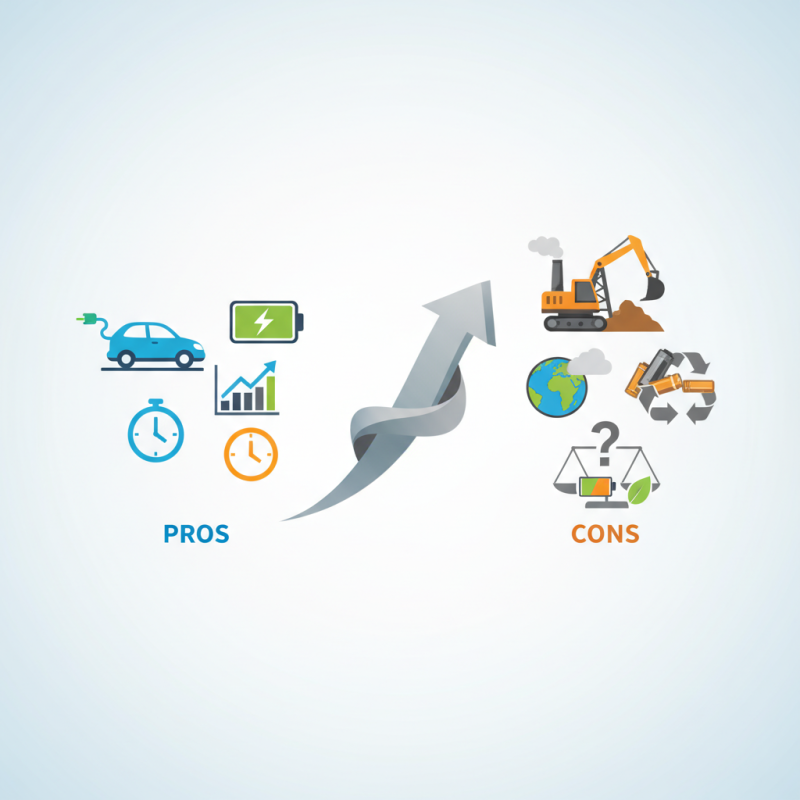
However, there are challenges. While lithium ion car batteries offer impressive performance, concerns about sourcing materials, such as lithium and cobalt, arise. The supply chain's environmental impact is under scrutiny. Reports indicate that lithium extraction can lead to significant ecological disruption. Thus, while these batteries are advantageous, the industry must balance performance and sustainability.
Moreover, as technology advances, the debate continues on battery recycling and second-life options. Achieving true sustainability in this sector requires ongoing innovation. Thus, understanding the pros and cons of lithium ion car batteries is essential for manufacturers and consumers alike.
Benefits of Lithium Ion Batteries for Electric Vehicles
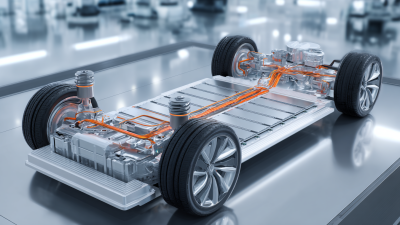
Lithium-ion batteries have become the go-to choice for electric vehicles (EVs) due to their numerous benefits. The energy density of these batteries is remarkable. They can store more energy in a smaller space compared to traditional lead-acid batteries. According to the U.S. Department of Energy, lithium-ion batteries can achieve energy densities of 150-250 Wh/kg. This translates to longer driving ranges for EVs, often exceeding 300 miles on a single charge, which is essential for both commuters and long-distance travelers.
Another advantage is their efficiency. Lithium-ion batteries have a discharge and charge efficiency of around 95%. This means a higher percentage of energy is utilized for driving, minimizing waste. Their long lifespan also provides economic benefits. Studies show that lithium-ion batteries last up to 15 years or more, significantly reducing replacement costs over time. However, as with any technology, there are challenges. The production of these batteries can have environmental impacts, particularly regarding mining practices. This warrants ongoing discussions about sustainable sourcing and recycling processes.
Ultimately, while lithium-ion batteries hold a prominent place in today’s EV market, it’s crucial to confront the complexities surrounding their lifecycle. As we move forward, addressing these concerns will enhance the reliability and acceptance of lithium-ion technology. Mechanisms for working towards eco-friendly solutions will ensure that lithium-ion batteries remain a viable option for the evolution of electric vehicles.
Benefits of Lithium Ion Batteries for Electric Vehicles
How Lithium Ion Technology Enhances Electric Vehicle Performance
Lithium-ion technology significantly boosts electric vehicle performance. This battery type offers higher energy density compared to traditional lead-acid batteries. In simple terms, that means longer driving ranges. With a lithium-ion battery, an electric vehicle can travel farther on a single charge. This is crucial for daily commutes or long road trips.
Performance isn't just about distance. Lithium-ion batteries recharge faster too. Many models can regain about 80% charge in under an hour. This rapid charging minimizes downtime for drivers. However, the charging infrastructure can vary widely. Not all locations have fast chargers, which could be an issue during travel.
Another aspect to consider is temperature sensitivity. Lithium-ion batteries can underperform in extreme cold or heat. While technology continues to improve, these conditions still require careful monitoring. Regular maintenance and checking battery health can mitigate some of these challenges. Furthermore, the initial cost can be higher, which is a consideration for many consumers. Balancing performance with cost remains a key topic for potential buyers.
Cost Efficiency and Longevity of Lithium Ion Car Batteries
Lithium ion car batteries dominate the electric vehicle market, largely for their cost efficiency and longevity. These batteries offer a remarkable energy density, allowing vehicles to travel greater distances on a single charge. They also have a longer lifespan compared to traditional lead-acid batteries. On average, lithium ion batteries last over 10 years, reducing replacement frequency and overall ownership costs.
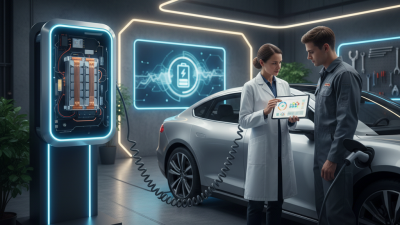
To maximize the performance of your lithium ion battery, regular maintenance is essential. Keep the battery charged between 20% and 80% to prevent damage. Overcharging can shorten life significantly. Also, avoid exposing the battery to extreme temperatures. This can impact efficiency and longevity.
It's crucial to consider charging habits. Relying solely on fast chargers might seem convenient, but frequent use can degrade battery health. Utilize standard charging when possible. Assess your daily driving needs to determine the best charging routine for your lifestyle. Reflect on how these practices might change your vehicle's long-term viability and costs. By understanding and adapting your charging practices, you can enhance the sustainability of your electric vehicle.
Environmental Impact and Recycling of Lithium Ion Batteries
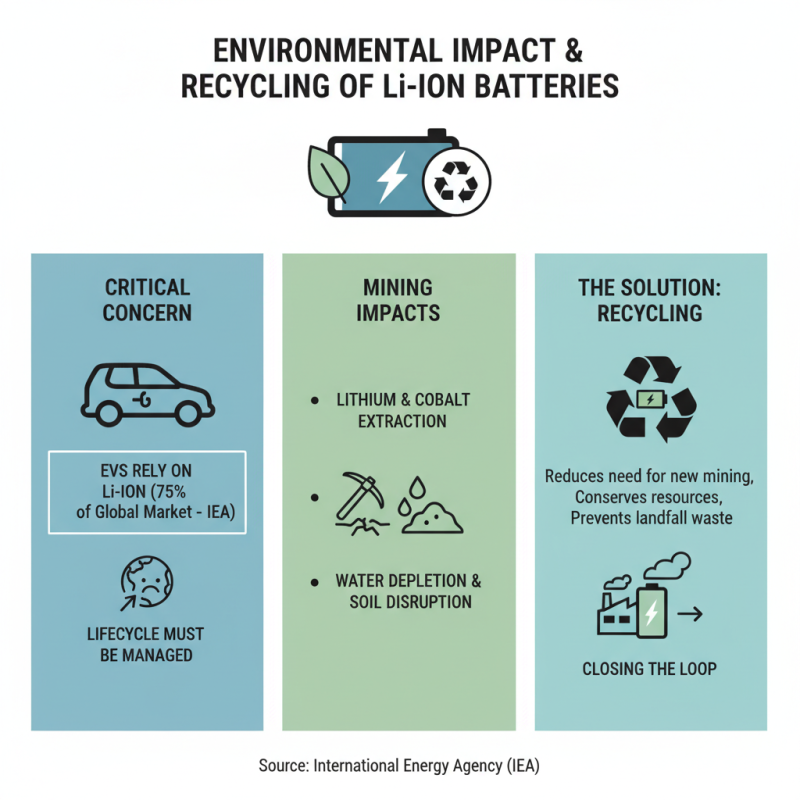
The environmental impact of lithium-ion batteries is a critical concern. These batteries are pivotal for electric vehicles (EVs), but their lifecycle must be understood. According to the International Energy Agency (IEA), lithium-ion batteries account for approximately 75% of the global EV battery market. However, the extraction of lithium and cobalt poses environmental challenges. Mining these materials can lead to water depletion and soil disruption.
One important aspect of lithium-ion batteries is their recycling potential. Reports indicate that up to 95% of lithium-ion battery materials can be recycled. This process not only conserves natural resources but also reduces the carbon footprint. Yet, in reality, less than 5% of batteries are currently recycled. The lack of infrastructure and consumer awareness is a barrier.
*Tips: Always check local recycling programs for battery disposal. Encourage manufacturers to adopt sustainable practices. Consider investing in recycled battery technologies.*
The journey of a lithium-ion battery does not end when it leaves the vehicle. Ensuring responsible recycling is essential. The European Battery Directive aims to regulate battery disposal and improve recycling rates. Yet, many consumers remain uninformed. Raising awareness can drive changes needed for a greener future. The impact of our choices today is crucial for tomorrow's sustainability.
Comparison with Other Battery Technologies for Electric Vehicles
Lithium-ion batteries have become the gold standard for electric vehicles (EVs). Their high energy density allows for longer driving ranges. Drivers enjoy the convenience of fewer charging stops. However, all battery technologies come with pros and cons.
Nickel-metal hydride batteries are an alternative. They are less expensive but bulkier. Charging times can be longer. Lead-acid batteries are another option, but they are heavy and less efficient. These factors can limit vehicle performance. Clearly, lithium-ion batteries offer a reliable balance of weight and performance.
Concerns remain in terms of sustainability. Lithium extraction can be environmentally damaging. Battery recycling is another challenge that needs attention. As technology evolves, these issues must be addressed. The future of EVs lies in better battery technology, including alternatives to lithium-ion.