Navigation

The C.L. Smith Blog

7 Tips for Shipping a Lithium Battery Safely?

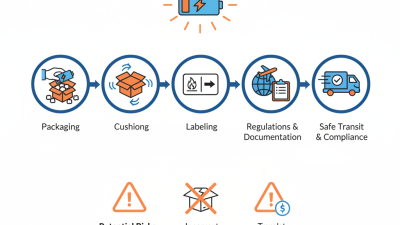
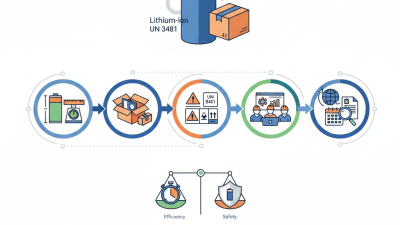
Shipping a lithium battery safely requires more than placing it in a sturdy box. These compact power sources can overheat when damaged, short-circuited, or packed incorrectly. This guide introduces seven practical tips for shipping a lithium battery with greater control and confidence.

The process begins with identifying the battery type, watt-hour rating, and condition. Check the manufacturer’s specifications before choosing packaging or transport services. A battery that looks normal may still contain hidden damage. Do not ship swollen, leaking, recalled, or visibly damaged batteries through ordinary channels. That decision protects workers, aircraft, vehicles, and receiving customers.

Use rigid inner packaging that prevents movement. Protect exposed terminals with nonconductive caps or tape. Keep the battery separated from metal objects, tools, and spare parts. Select packaging suitable for the battery’s weight and size. Then confirm the carrier’s current requirements, including markings, labels, documentation, and quantity limits. Regulations can differ by destination and transport method. Official carrier guidance and recognized standards, such as UN 38.3 testing requirements, deserve careful attention.

Small details matter.

A final inspection should include the box, label, paperwork, and battery condition. Photographing the packed shipment can create a useful record. However, a checklist is not a substitute for professional advice. Requirements change, and online summaries may be incomplete. Even experienced shippers make mistakes under time pressure. I would review every shipment again, especially when air transport or international delivery is involved. These seven tips offer a practical foundation, not permission to guess. Reliable shipping depends on patience, accurate information, and honest assessment of risk.

7 Tips for Shipping a Lithium Battery Safely?

Identify the Battery Type and Shipping Restrictions

The label “lithium battery” is not enough for a shipping decision. A lithium-ion battery is rechargeable and measured in watt-hours (Wh). A lithium-metal battery is usually non-rechargeable and assessed by grams of lithium content. This distinction affects packaging, documents, quantity limits, and aircraft eligibility. IATA’s 2025 Dangerous Goods Regulations set key thresholds: lithium-ion cells up to 20 Wh, batteries up to 100 Wh, lithium-metal cells up to 1 gram, and batteries up to 2 grams.

Check the battery itself, not only the product description. Read the rating plate, calculate Wh when necessary, and confirm whether the battery is installed, packed with equipment, or shipped alone.

Standalone lithium-ion batteries generally require cargo-aircraft transport and a maximum 30% state of charge under applicable air-shipping instructions. Standalone lithium-metal batteries face stricter air restrictions. Passenger-aircraft transport may be prohibited.

A common mistake is trusting a familiar model number. That shortcut can fail. The U.S. Federal Aviation Administration’s lithium-battery incident database documents repeated cases involving smoke, fire, and overheating during transport. Damaged, swollen, leaking, recalled, or defective batteries require special handling and may be refused by carriers. I would photograph the label, record the Wh or lithium content, and compare the details with the current IATA Dangerous Goods Regulations and local authority requirements. Rules change, and an old checklist can quietly become wrong.

Check the Battery’s Condition and State of Charge

7 Tips for Shipping a Lithium Battery Safely?

Check the Battery’s Condition and State of Charge

Before packing a lithium battery, inspect it under bright, even light. Look for swelling, cracks, dents, punctures, corrosion, loose parts, or a damaged connector. A clean exterior does not prove internal safety. If the battery smells unusual, leaks, becomes hot, or shows impact damage, stop the shipment. Do not tape over a serious defect. Have qualified personnel assess it and follow the carrier’s acceptance rules. No inspection is foolproof.

Check the state-of-charge reading before disconnecting the battery. Do not rely only on a phone app or a small display; readings can be wrong after storage or damage. For air transport, the permitted charge level depends on the battery type, watt-hour rating, packaging, and current regulations. Use a reliable meter or documented equipment when appropriate, and record the reading. A lower charge generally reduces available energy, but it does not make a damaged cell safe. That distinction matters. Never discharge a battery by improvised methods.

Protect terminals from short circuits with nonconductive covers, individual inner packaging, or secure placement inside equipment. Prevent movement with cushioning, and keep the battery away from metal objects. Photographing its condition and recording the inspection time can support traceability. Still, paperwork cannot replace a physical check. Confirm the latest carrier instructions and applicable air, sea, or road requirements before handing over the package. A rushed check is easy to regret.

7 Tips for Shipping a Lithium Battery Safely: Check the Battery’s Condition and State of Charge

Before shipping, confirm that the battery is not swollen, cracked, leaking, or otherwise damaged. For standalone lithium-ion batteries shipped by air as cargo, international air-transport rules generally limit the state of charge to 30% or less unless an approved exception applies.

The chart compares common state-of-charge reference points. The 30% value is the air-transport reference limit for standalone lithium-ion batteries under applicable dangerous-goods regulations; carrier and jurisdiction requirements should always be verified before shipment.

Choose Approved Packaging and Protect the Terminals

Shipping a lithium battery safely begins with the packaging, not the shipping label. Use packaging approved for the battery’s type, weight, and energy rating. A rigid outer box should resist crushing during handling. Check that the inner fit is snug. Movement creates damage.

Confirm the battery rating and shipping requirements before packing. Inspect it for swelling, cracks, leaks, or unusual heat. Do not ship a damaged battery. Cover every terminal with nonconductive tape, or place each battery in an individual pouch. Keep metal objects away from exposed contacts. Spare batteries need separate protection. Never let them share loose space with tools, keys, or chargers. This detail is easy to miss.

Add cushioning around the battery, but do not compress it heavily. Close the package securely and test it with a gentle shake. If you hear movement, repack it. Mark the package and complete the required documents accurately. Carrier and destination rules can change, so verify them before collection. A trained dangerous-goods professional can review uncertain shipments. I once trusted thick bubble wrap too much. It looked safe, but the terminals remained exposed. That mistake changed my packing checklist. Safe packaging is not decoration. It is the battery’s first barrier against impact, pressure, and short circuits.

7 Tips for Shipping a Lithium Battery Safely? - Choose Approved Packaging and Protect the Terminals
Tip Safety Focus Recommended Action Why It Matters Pre-Shipping Check
1 Confirm the battery classification Identify whether the shipment contains cells, batteries, equipment packed with batteries, or equipment containing batteries. Record the battery chemistry, watt-hour rating for lithium-ion batteries, or lithium content for lithium-metal batteries. Classification affects packaging, marking, labeling, documentation, quantity limits, and transport-mode requirements. Verified
Rating and shipment type documented
2 Use approved outer packaging Use packaging that is strong enough to prevent crushing, puncturing, and movement during normal handling. When required by the applicable transport regulations, use a tested packaging design that meets the relevant UN performance standards. A suitable package reduces the chance of physical damage, short circuits, and thermal events during transport. Verified
Package strength and approval checked
3 Protect the battery terminals Prevent contact between terminals and conductive materials by using non-conductive caps, individual inner bags, molded inserts, or secure separation. Install batteries so they cannot shift inside the package. Unprotected terminals can cause a short circuit if they contact metal objects or another battery. Verified
No exposed or movable terminals
4 Ship only tested batteries Confirm that the battery type has passed the applicable UN 38.3 design tests and retain the required test summary or compliance records. Follow the current rules for prototype, low-production, or modified batteries. Testing helps demonstrate that the battery design can withstand expected transport conditions. Verified
Test documentation available
5 Inspect for damage or defects Do not ship batteries that are swollen, leaking, cracked, overheated, corroded, recalled, or otherwise damaged. Isolate questionable batteries and follow the applicable hazardous-material or dangerous-goods disposal procedure. Damaged or defective lithium batteries may present a higher risk of fire, heat generation, or gas release. Reject if damaged
Visual and physical inspection complete
6 Apply the correct marks and documents Use the applicable lithium battery mark, hazard label, handling label, shipping paper, air waybill information, and emergency-contact details when required. Check the rules for the destination, origin, carrier, and transport mode. Accurate information helps handlers identify the hazard and apply the correct emergency and handling procedures. Verified
Labels and documents match contents
7 Use trained personnel and check carrier rules Have trained staff prepare and offer the shipment. Confirm whether the carrier accepts the battery type, whether the package may travel by air, and whether state, national, or international requirements add restrictions. Lithium battery requirements vary by battery configuration, quantity, package, route, and transport mode; carrier policies may be stricter than baseline regulations. Verified
Carrier acceptance and route confirmed
Important: Lithium battery shipping requirements depend on the battery configuration, capacity, quantity, packaging, destination, and transport mode. Always check the current requirements of the applicable transport authority and carrier before dispatch.

Prepare Accurate Labels and Required Shipping Documents

7 Tips for Shipping a Lithium Battery Safely?

Accurate labels and shipping documents are the foundation of compliant lithium battery transport. Before packing, record the battery type, watt-hour rating, quantity, and condition. Confirm whether it is lithium-ion or lithium-metal. Do not guess the classification. A small error can affect the entire shipment.

Use the required lithium battery handling mark, hazard label, and package markings for the transport method. The information must be clear, durable, and easy to read. Check the destination country and carrier requirements before printing anything. Rules can differ for air, sea, and ground transport. I have seen careful packages delayed because one label was too small. Measure twice.

Prepare the commercial invoice, packing list, and any required dangerous goods declaration. Include the correct UN identification number, packing instruction, battery details, and emergency contact information. Keep copies of test summaries and safety documents when regulations require them. Ensure the paperwork matches the physical package exactly. One wrong quantity creates unnecessary questions. Review every field before handover, including the shipper’s address and consignee details. My checklist is useful, but not perfect. A second review often catches missing signatures, outdated forms, or unclear battery ratings. Ask the carrier for current instructions when uncertain.

Select a Compliant Carrier and Monitor the Shipment

Shipping a lithium battery safely begins with the carrier, not the label. Choose a provider trained in dangerous-goods handling and able to show current air-transport approvals. IATA’s Lithium Battery Shipping Regulations require correct classification, packaging, marks, labels, and documentation. Ask whether staff inspect damaged cells, verify state-of-charge limits, and separate batteries from heat sources. A low price is not proof of control.

Build seven checks into the booking: confirm battery chemistry, watt-hour rating, packing instruction, package weight, carrier acceptance, tracking availability, and emergency contacts. The FAA’s public lithium-battery incident database lists more than 500 smoke, fire, or overheating events linked to batteries in air transport. That number makes monitoring practical, not optional. Track every scan, then review delays, route changes, missed handovers, and temperature alerts. A shipment sitting overnight on a hot loading dock needs action, not polite optimism.

Use tamper-evident packaging and photograph the sealed carton before collection. Set alerts for every status change, especially “exception” or “held.” Contact the carrier immediately when scans stop beyond the agreed interval. Keep the shipper’s declaration, UN 38.3 test summary, and delivery record together. IATA’s 2025 guidance stresses trained personnel and documented controls, yet small teams often treat tracking as a final checkbox. I do too, sometimes. A written escalation plan is less elegant, but it works when a parcel disappears.

Back to top